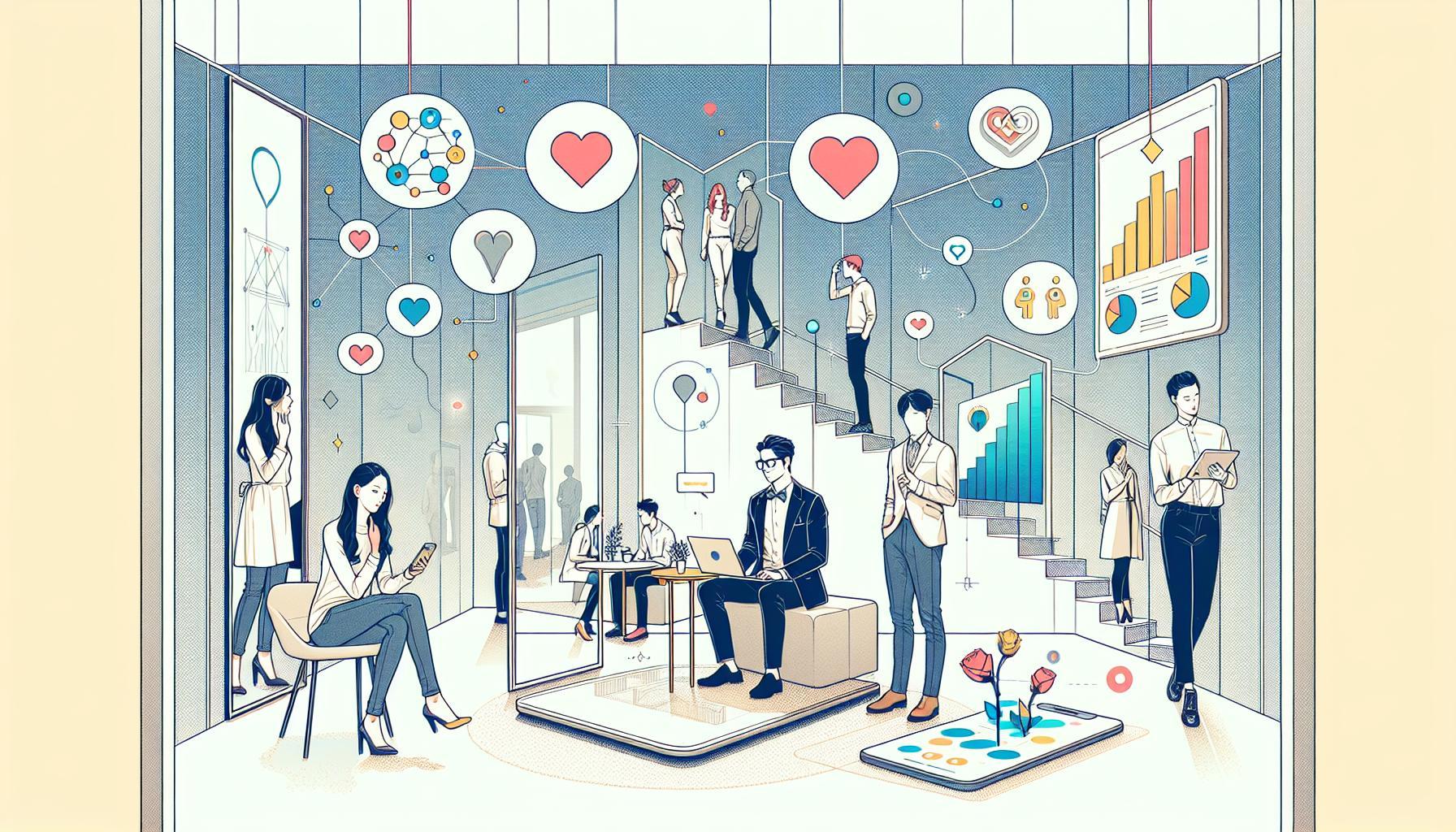
In today’s complex dating landscape, many find themselves grappling with the blurred lines between healthy attraction and delusional fantasies. Did you know that nearly 1% of the population experiences a delusional disorder, with some types leading individuals to believe that someone is infatuated with them? Understanding when these delusions cross the line is crucial for preserving emotional well-being and establishing genuine connections.
Dating should empower you, but what happens when hopes spiral into unrealistic expectations? As fantasies take root, they can distort reality, making it challenging to discern genuine compatibility from wishful thinking. This article explores the nuances of such delusions, providing insights into psychological patterns and practical strategies to foster healthier relationships.
Delving into this topic not only sheds light on personal experiences but also equips you with tools to navigate the dating world with a clearer mindset. Join us as we uncover the importance of recognizing and managing these delusions, helping you cultivate lasting connections based on truth rather than illusion.
Understanding Delusions in Dating Contexts
Delusions in dating can obscure our perceptions and lead us to develop unrealistic expectations about potential partners and relationships. Understanding these delusions is crucial for fostering healthy dating practices. Many individuals place themselves in romantic fantasies, often perceiving situations or partners through a lens of idealization that doesn’t accurately reflect reality. This can stem from a variety of social and psychological influences, including personal insecurities, past experiences, and cultural narratives around love and relationships.
It is essential to recognize that while infatuation can be a normal aspect of developing a relationship, it can also lead to delusional thinking when it becomes a distortion of reality. For instance, many might convince themselves they have found “the one” after only a few interactions, disregarding any red flags. Such thinking can be reinforced by social media, where curated lives and romanticized portrayals often depict relationships in an unattainable glow, further skewing the perception of what is realistic in dating. The brain’s tendency to idealize partners-often influenced by cognitive biases like the halo effect-can lead individuals to overlook incompatibilities, which can ultimately result in disappointment and heartache.
Moreover, the psychological underpinnings of dating delusions can be complex. They often arise from a desire for connection and the inherent human tendency to seek out meaningful attachments. When these desires are unmet, it’s common for individuals to construct narratives about their dating prospects, sometimes leading to persistent fantasies around the potential of an idealized partner. This form of escapism can feel comforting but may prevent healthier assessments of relationships.
To navigate these delusions, fostering awareness about one’s expectations and the reality of dating dynamics is beneficial. Engaging in self-reflection and actively questioning one’s romantic narratives can help distinguish between optimistic hope and deceptive thinking. By grounding oneself in honest assessments of situations, individuals can build healthier mindsets that respect both their desires and the realities of potential partners. This approach not only encourages realistic expectations but also enhances the likelihood of cultivating sustainable and fulfilling relationships.
When Fantasy Becomes a Relationship Issue
It’s not uncommon for individuals to romanticize their dating experiences, often blurring the lines between healthy imagination and painful delusions. When fantasies about love and companionship begin to take precedence over real interactions and emotions, they can lead to significant relationship issues. These fantasies can manifest in various ways, such as idealizing a partner based on a few positive traits while ignoring significant incompatibilities or problems. This form of cognitive distortion can foster unrealistic expectations, making one believe they can “change” their partner or that the relationship will effortlessly blossom into a perfect union.
As relationships develop, fantasies can create pressure on partners to live up to these idealized notions, leading to disappointment and conflicts when they inevitably fall short. For example, someone may convince themselves that their relationship is poised for marriage after only a few months, often ignoring fundamental differences in values or life goals. This can result in a cycle of heartache, where the individual constantly seeks affirmation of their fantasies rather than engaging in open, honest dialogues with their partner to assess the relationship’s reality.
To combat these issues, it’s vital to implement self-assessment strategies. A practical approach involves asking oneself questions like:
- Am I overlooking red flags in favor of idealizations?
- Do I feel pressured to maintain a certain image of my partner or relationship?
- How would I describe the relationship to a trusted friend?
By engaging in this reflective practice, individuals can better ground their perceptions in reality, promoting healthier relationship dynamics. Additionally, integrating feedback from trusted friends or family members can offer an outside perspective that encourages objective evaluations of one’s dating situation.
Understanding that fantasies can be a slippery slope is essential. While it’s natural to dream about love and fulfillment, striking a balance between hope and grounded reality is key. Transitioning fantasies into realistic expectations sets the foundation for not only enduring love but also fosters individual growth and satisfaction in relationships.
Common Delusions People Experience in Dating
In the world of dating, delusions can transform ordinary interactions into complex emotional landscapes. One prevalent misconception is the belief that chemistry and attraction are sufficient for a successful relationship. Many individuals fall into the trap of thinking that if they “feel a spark,” it guarantees compatibility and shared values. This often leads to disillusionment, as the initial thrill of attraction fades and underlying differences come to light.
Another common delusion revolves around the idea of “the one.” This concept suggests there is a perfect match for everyone, leading some to overlook potential partners who may not fit all their preconceived notions. The illusion of fate can induce individuals to remain in unsatisfactory relationships, convinced that a deeper connection will eventually emerge. This not only hampers personal happiness but can also prevent individuals from pursuing healthier, more fulfilling connections.
The fixation on romantic milestones can also introduce unrealistic expectations, where individuals feel pressured to reach specific goals-like moving in together or getting engaged-within an impractical timeline. This urgency can distort judgment, compelling people to overlook emotional readiness or compatibility issues that deserve careful consideration. Additionally, the common belief that love conquers all can lead to unhealthy dynamics, as individuals may stay in toxic relationships, falsely believing that love alone can solve deeper systemic issues.
To navigate these delusions effectively, it’s crucial to engage in reflective self-assessment. Start by evaluating whether your expectations are based on fantasies or real experiences. Consider if you are genuinely compatible with your partner or merely clinging to an idea of what you hope the relationship could be. Asking yourself thought-provoking questions and seeking honest feedback from trusted friends can provide clarity and guide you toward healthier relationships that align with both your dreams and reality.
The Psychological Roots of Dating Delusions
Many individuals enter the dating scene armed with hopeful fantasies, often unwittingly setting the stage for delusions. Understanding the psychological roots behind these dating delusions is crucial for avoiding unnecessary heartache. At the core of these distorted perceptions lies a blend of innate human psychology-particularly the lenses through which we view love and relationships. One significant factor is the idealization phase, where individuals may project their desires and needs onto potential partners, assuming that if someone embodies certain traits, they must be a perfect fit. This can lead to skewed views of compatibility, overshadowing personal differences that might emerge later on.
Furthermore, cognitive biases play a vital role in shaping romantic perceptions. The confirmation bias, for instance, manifests when individuals focus solely on evidence that supports their romantic ideals while disregarding any conflicting information. This can lead to a one-sided view of the partner in question, reinforcing the delusive belief that they are perfect. Similarly, the halo effect can cause one admirable quality to overshadow all others-focusing on a partner’s attractiveness while ignoring incompatible values or behaviors that may present future conflicts. As dating often involves navigating intense emotions, these cognitive distortions can easily take root, leading to unrealistic expectations and disappointments.
Lastly, social influences cannot be overlooked. Cultural narratives often champion the idea of finding “the one,” which can create a pressure-filled atmosphere that makes individuals more susceptible to delusion. When idealized love is continuously reinforced through media, social interactions, and peer influences, it can lead people to maintain detrimental attachments to partners who do not align with their true needs. This disconnect can contribute to an overreliance on fantasies about romance, where individuals persist in believing that love alone is enough to overcome serious compatibility issues. Recognizing these psychological underpinnings is essential for achieving healthier dating practices and nurturing more fulfilling relationships overall.
To deepen self-awareness, consider engaging in regular evaluations of your expectations against reality. Reflect on patterns that surface in how you perceive potential partners and assess whether your views align with actual experiences. Seeking insights from trusted peers can provide additional perspectives, helping to ground your perceptions in reality while fostering a more balanced approach to dating.
Signs You Might Be Experiencing Delusions
Experiencing delusions in the dating realm can be more common than one might think, often stemming from a mix of idealism, societal pressures, and emotional vulnerabilities. Recognizing the signs can be pivotal in steering clear of heartache and establishing healthier relationships. If you’ve found yourself perpetually bouncing between euphoria over a romantic prospect and profound disappointment, it may be time to reflect on your perceptions and expectations.
One key indicator of delusional thinking is the tendency to ignore red flags or minimize negative behaviors for the sake of maintaining an illusion of compatibility. For instance, if you find yourself rationalizing a partner’s bad behavior-saying things like “They’ll change” or “I’m the exception”-it might signal that you’re operating under delusions rather than reality. This can lead to a cycle of repeated disappointment, as the partner rarely changes to fit your frame of expectations.
Another sign involves placing excessive importance on anecdotal experiences or social validation over concrete facts about the relationship. If you often find yourself captivated by the notion of being “in love” while disregarding critical feedback from friends or family, this can indicate a distortion in your romantic narrative. Engaging excessively with romantic fantasies fed by movies or social media can exacerbate these delusions, leading to unrealistic expectations of love and partnership.
Additionally, a tendency to cling to past relationships or experiences, considering them as benchmarks for new ones, can hinder your ability to discern healthy dynamics. Believing that past patterns will automatically repeat, or that a new partner mirrors a former love, keeps you anchored in nostalgia rather than promoting growth and realistic assessments in your dating life.
To ground yourself in reality, self-assessment is an essential tool. Regularly ask yourself questions such as:
– “What evidence do I have that supports my perception of this person?”
– “Am I overlooking behaviors that contradict my feelings?”
– “How do my friends and family perceive our relationship?”
Acknowledge that while hope and optimism are vital, they must be balanced with a firm foundation in reality to foster healthy, fulfilling relationships.
How to Differentiate Between Hope and Delusion
Navigating the thin line between hope and delusion in the dating realm can be daunting, particularly when emotions run high. It’s easy to allow romantic fantasies to cloud judgment, often fueled by idealistic perceptions shaped by cultural narratives, social media portrayals, and personal aspirations. Acknowledging this nuance is the first step toward fostering a more grounded approach to relationships. The delicate balance hinges on the clarity of your expectations versus the reality of your experiences.
To differentiate hope from delusion, one effective method is to critically assess your emotional investments. Ask yourself specific questions:
- What tangible evidence supports my feelings for this person? If your affection is based solely on fleeting moments or idealized notions rather than consistent actions, it may signal delusional thinking.
- Am I willing to overlook problematic behaviors? If you consistently dismiss your partner’s red flags because of wishful thinking, it could be a sign that your hope is bordering on delusion.
- How do trusted friends perceive the relationship? Engaging with outside perspectives can shed light on potential blind spots in your judgment.
Research indicates that cognitive biases often distort our dating perceptions-confirmation bias, for instance, leads many individuals to seek validation for beliefs rather than challenge them. Recognizing these tendencies can help you recalibrate your expectations. Embrace a reality-check approach: whenever you start to build up a fantasy narrative, counter it with actionable insights or facts from your ongoing relationship.
Finally, grounding yourself in reality involves creating a robust support system and setting achievable relationship goals. For instance, tracking relationship dynamics over time can provide insights into patterns that promote delusion. Establish clear parameters about what constitutes healthy interaction and emotional reciprocation, allowing for recalibration if your partner fails to meet those standards consistently. It’s essential to remember that fostering genuine connections while remaining anchored in reality enables healthier and more fulfilling romantic experiences.
The Impact of Social Media on Dating Perceptions
In today’s digitally driven world, the influence of social media on dating perceptions cannot be overstated. With platforms like Instagram and TikTok showcasing curated glimpses of romance, many individuals find their expectations weighed down by idealized portrayals of relationships. These platforms are often a breeding ground for delusions, as they highlight not just the positive aspects of dating but also perpetuate unrealistic standards that can warp personal perceptions and expectations.
One significant impact of social media is the phenomenon of “highlight reels,” where users present only the best and most glamorous facets of their relationships. This can create a distorted benchmark for your own experience, leading to feelings of inadequacy or disillusionment when reality inevitably falls short. A study from the Journal of Social and Personal Relationships notes that excessive comparison with others can lead to lower self-esteem and increased relationship dissatisfaction. To combat this, it’s essential to remember that most social media posts are heavily edited and may not reflect the true nature of the relationships being portrayed.
Additionally, the accessibility and immediacy of social media can foster impulsive decision-making in dating scenarios. For instance, the ease of sliding into DMs or posting a flirty comment can lead some to misconstrue these interactions as interest or affection, even when they lack depth. To effectively manage this, ask yourself whether online interactions are supported by real-life evidence. Reflect on the quality and consistency of communication, rather than getting swept up in the thrill of online exchanges.
When navigating the dating landscape influenced by social media, take proactive steps to ground yourself. Regularly engage in self-reflection and reality checks by assessing your feelings about a partner based on tangible experiences rather than social media impressions. Maintain open communication with close friends or trusted confidants to gain external perspectives on your relationships. Ultimately, fostering a balanced view of romance, informed by personal experience rather than filtered images, is crucial for developing healthy dating habits that are resilient against delusional thinking.
Cognitive Biases That Fuel Romantic Delusions
Cognitive biases are mental shortcuts that can lead individuals to irrational thinking, particularly when it comes to love and relationships. These biases often obscure reality, causing people to cling to romantic delusions that can distort their perceptions and expectations. Recognizing these biases is crucial for fostering healthier mindsets in the dating world, as they can perpetuate unrealistic standards and beliefs about romantic partners.
One prevalent cognitive bias in dating is the confirmation bias, which involves favoring information that supports preexisting beliefs while disregarding information that contradicts them. For instance, if someone is infatuated with a potential partner, they may only focus on the qualities they admire, ignoring red flags or negative behaviors. This selective perception can lead to significant relational issues down the line. To counteract confirmation bias, it’s essential to actively seek diverse opinions and evidence about a partner, rather than merely reinforcing an idealized image.
Another common bias is the Halo Effect, where an individual generalizes positive attributes from a single trait. If a person finds their date physically attractive, they may also assume they possess other positive qualities, such as kindness and intelligence, without sufficient evidence. This can result in unrealistic expectations and disappointment when the partner fails to live up to those ideals. To mitigate the Halo Effect, consider assessing partners based on a broader set of criteria and experiences rather than focusing on initial impressions.
Additionally, the optimism bias might lead individuals to believe that they are less likely to experience relationship troubles than others, which can encourage recklessness in dating decisions. This can manifest in a refusal to acknowledge potential incompatibilities or typical challenges in relationships. Recognizing that difficulties are a natural part of any partnership can lead to a more balanced and realistic approach. Adopting a grounded mindset can help prepare individuals for real challenges and encourage healthier coping strategies when faced with conflict.
As you navigate the complexities of romantic relationships, it’s important to cultivate awareness around these cognitive biases. By engaging in regular self-reflection and seeking feedback from trusted friends, you can gain clearer insights into your dating behaviors and beliefs. Make a conscious effort to challenge your assumptions and re-evaluate your perceptions of potential partners to foster more fulfilling and realistic romantic connections.
Reality Checks: Assessing Your Dating Expectations
When embarking on the journey of dating, it’s easy to drift into a spiral of expectations that are rarely met. Research indicates that a significant number of individuals hold unrealistic expectations about their romantic pursuits. For example, a study published in the Journal of Social and Personal Relationships revealed that people often overestimate their compatibility with a partner based on initial attraction rather than objective measures of relationship success. Such unrealistic ideals can lead to frequent disappointment and confusion, reinforcing harmful patterns in how we approach love and connection.
A grounded assessment of your dating expectations requires a multifaceted approach. Here are several essential steps to ensure that your expectations align more closely with reality:
Self-Reflection
Understand your desires and motivations in dating. Take time to ask yourself the following questions:
- What am I truly looking for in a partner?
- Are my expectations based on past experiences, societal pressures, or genuine compatibility?
- How have my previous relationships shaped what I seek now?
This introspection can help filter out fantasies from feasible realities.
Set Realistic Criteria
Create a list of attributes that are non-negotiable versus those that are less critical. Consider adhering to the 80/20 rule-acknowledging that no partner will meet all criteria perfectly but should satisfy the essential 80%. This method encourages a balanced perspective and helps prevent discouragement when a potential partner doesn’t embody every ideal.
Seek External Feedback
Sometimes, an outside perspective can offer invaluable insight. Sharing your dating experiences and expectations with trusted friends or family members can provide clarity. They may point out discrepancies in your perceptions or help you recognize patterns you hadn’t considered. Embrace their observations as data points, not personal judgments.
Continuous Reality Checks
As you date, engage in ongoing dialogue with yourself about how things are progressing. A simple technique involves maintaining a balance sheet of positive and negative aspects of your experiences. If your dating life results in more frustration than joy consistently, it may be time to reevaluate your approach and expectations.
Recognizing and adjusting your dating expectations can be the key to healthier, more fulfilling relationships. By grounding your aspirations in reality, you foster resilience and open yourself to genuine connections, ultimately creating an environment where both your emotional well-being and relational satisfaction can thrive.
Strategies for Grounding Yourself in Reality
In the realm of dating, it’s all too easy to blur the line between genuine potential and fantasy. Many individuals find themselves clinging to idealized visions of relationships that often don’t reflect reality. To navigate dating effectively, it’s essential to adopt strategies that help anchor your expectations in the real world, allowing for healthier, more fulfilling connections.
One effective method is to practice cognitive reframing. This involves consciously shifting your perspective on experiences and interactions. For instance, if a date doesn’t go as planned, instead of viewing it as a personal failure, reframe it as an opportunity to learn more about what you truly seek in a partner. Maintaining a list of questions or criteria that matter most to you can provide clarity during such reflections, ensuring you stay focused on what’s essential rather than getting lost in fleeting disappointments.
Another strategy involves developing a data-driven approach to relationships. Consider keeping a dating journal, where you document your experiences, feelings, and the traits of individuals you meet. Pay attention to patterns that emerge over time. For example, if you find yourself consistently attracted to partners with certain negative traits, it may signal a need for deeper introspection about what you’re truly looking for. You might even want to classify different qualities on a simple scale-1-5-for significance, making it easier to visualise which aspects of a partner truly align with your values and relationship goals.
Engaging in open dialogues with friends or family can also serve as a vital reality check. By discussing your dating experiences, you can gain crucial insights that may elude you on your own. People close to you might notice discrepancies in your perceptions or identify patterns that you might not see. Aim to approach these conversations with an open mind, ready to absorb constructive criticism that could positively shape your dating trajectory.
Lastly, consider setting up regular “check-ins” with yourself, perhaps weekly. During these moments, assess your emotional responses to dating and relationships. Are you feeling overwhelmed, disillusioned, or enthusiastic about future possibilities? Acknowledge these feelings and evaluate whether your dating practices align with your emotional well-being. This simple routine can help you stay connected to your feelings and expectations, allowing for adjustments that align your dating life more closely with reality.
Adopting these strategies fosters resilience and helps cultivate a grounded mindset toward dating, leading to healthier relationships and a more satisfying love life.
Seeking Help: When to Consult a Professional
Navigating the complex waters of dating can be overwhelming, particularly when personal expectations don’t align with reality. It’s not uncommon for individuals to find themselves grappling with delusions about potential relationships, leading to frustration and disillusionment. Consulting a professional can be an integral step towards reclaiming clarity and a healthier dating mindset. If you consistently find yourself idealizing partners or engaging in self-sabotaging behaviors, it may be time to consider seeking help. The benefits of professional guidance can provide invaluable insights into your patterns and the underlying emotions that drive them.
When does this pattern warrant a call to a therapist or counselor? Some key indicators include persistent feelings of loneliness despite dating efforts, a history of relationships that end in disappointment without understanding why, or experiencing intense anxiety surrounding dating interactions. Professionals can offer cognitive behavioral strategies to help you challenge unrealistic beliefs and foster healthier coping mechanisms. Engaging in therapy can illuminate how past experiences shape your current dating expectations, enabling you to break free from unproductive cycles.
In particular, cognitive behavioral therapy (CBT) has shown efficacy in addressing distorted thinking. For instance, if you often convince yourself that you are unlovable because you faced rejections in the past, a therapist can work with you to deconstruct this narrative. By reframing your approach to dating challenges, you can begin to replace harmful thought patterns with more constructive perspectives. Additionally, group therapy or support groups can create safe spaces for sharing experiences and learning from others who face similar struggles.
Ultimately, the goal of seeking professional help is not to eliminate hope or desire in dating, but to align those feelings with realistic expectations. Having regular sessions can also serve as a grounding force amid the often chaotic landscape of modern dating. Engaging a professional can empower you to pursue relationships with an enhanced awareness of your own emotional landscape, ensuring that your dating experiences are more intentional and aligned with your genuine self.
Building Healthier Dating Mindsets for Success
In a world where relationships are often influenced by a myriad of external factors, building a healthier mindset towards dating is crucial for success. The journey of dating-even with its inherent uncertainties-can be navigated more effectively by cultivating realistic expectations and an understanding of your emotional landscape. Studies indicate that individuals who enter the dating scene with clear intentions and a positive mindset report higher levels of satisfaction and fulfillment in their relationships.
Start by fostering self-awareness and acknowledging your feelings without judgment. It is essential to differentiate between the fantasies of what you want your relationships to be and the reality of what they can offer. Consider asking yourself reflective questions like:
- What are my core values in a relationship?
- Am I trying to fulfill emotional needs through my partner?
- How do my past experiences influence my current perceptions of dating?
Answering these questions can ground your expectations and help establish a more accurate picture of what you seek. Practicing mindfulness can also serve as a powerful tool in maintaining this clarity. Techniques such as journaling about your dating experiences can illuminate patterns of thought that lead to unrealistic expectations, thereby enabling you to course-correct as needed.
Moreover, it’s essential to confront cognitive biases that may distort your perception of potential partners. Cognitive distortions like “all-or-nothing thinking” or “catastrophizing” can lead to exaggerated expectations regarding a partner’s qualities or the relationship itself. Awareness of these biases allows for more balanced views and healthier decision-making processes.
Building supportive social networks can further enhance your dating experience. Surround yourself with friends or groups that reflect and encourage a healthy dating mindset. Engaging in discussions or support groups can provide much-needed reality checks and cultivate resilience against the pressures that can often lead to delusional thinking patterns. Ultimately, developing a grounded perspective in dating not only helps in managing expectations but also nurtures personal growth, leaving room for authentic connections when they arise.
Frequently Asked Questions
Q: What are common signs that someone may be experiencing delusions in their dating life?
A: Common signs include persistent idealization of a partner, refusal to see red flags, or believing that a connection is fated despite evidence to the contrary. Addressing these issues early can prevent emotional distress and help maintain healthier relationships. For more details, see the “Signs You Might Be Experiencing Delusions” section.
Q: How can I differentiate between hope and delusion in dating?
A: Differentiating hope from delusion involves assessing expectations based on facts versus fantasies. Hope is grounded in reality and achievable outcomes, while delusion ignores evidence and embraces unrealistic beliefs. Implementing reality checks can clarify your dating approach-see “How to Differentiate Between Hope and Delusion” for more.
Q: Why might social media contribute to delusional thinking in dating?
A: Social media often showcases idealized versions of relationships, fostering unrealistic comparisons and expectations. This can lead individuals to develop a distorted view of what’s typical in dating. It’s essential to critically assess online portrayals versus real-life experiences.
Q: When should I seek professional help for dating delusions?
A: If your beliefs about dating are causing significant distress or impacting your relationships, seeking professional help is crucial. A mental health professional can provide support and strategies tailored to your situation. For guidance, refer to the “Seeking Help” section.
Q: Can cognitive biases affect my dating perceptions?
A: Yes, cognitive biases can heavily influence perceptions in dating. For instance, the confirmation bias may lead someone to focus only on positive traits of a partner while ignoring negative aspects. Being aware of these biases can foster a more realistic dating outlook-explore the “Cognitive Biases That Fuel Romantic Delusions” for more insights.
Q: How can I ground myself in reality while dating?
A: Grounding yourself involves setting realistic expectations, seeking diverse perspectives, and checking your beliefs against real-world experiences. Engaging in reflective practices, such as journaling about your dating experiences, can also help maintain a balanced view.
Q: What should I do if I notice friends displaying delusional behavior in dating?
A: If you observe delusional behaviors in friends, gently encourage them to reflect on their beliefs and consider seeking support if needed. Communicating your concerns with compassion can open a dialogue about their dating perceptions without sounding judgmental.
Q: How can understanding psychological roots of delusions improve my dating mindset?
A: Understanding the psychological roots of delusions can enhance self-awareness and empathy toward others. Recognizing these patterns allows for more realistic expectations and healthier relationships. For more depth, refer to “The Psychological Roots of Dating Delusions.”
Key Takeaways
Navigating the complexities of dating can often blur the lines between hope and delusion. As we’ve explored, recognizing the signs when fantasy crosses into unhealthy territory is crucial for building meaningful relationships. Don’t let misconceptions trap you; seek clarity and understanding instead. If you’re uncertain about your dating experiences, consider using our interactive dating reality check tool to gain insights tailored to your situation.
For those interested in practical strategies for enhancing your dating outcomes, check out our resources on effective communication and setting realistic relationship goals. We invite you to dive deeper into these related topics, which can provide additional clarity and support your journey toward healthier connections.
If you found this discussion valuable, share your thoughts in the comments or connect with others who are navigating similar experiences. Your journey matters, and engaging with our community may inspire others while offering you fresh perspectives. Remember, the path to fulfilling relationships is a marathon, not a sprint-stay informed, stay engaged, and take actionable steps today!