

In contemporary society, the notion of the “ideal man” often draws from the rugged masculinity archetype popularized in Western culture. Yet, as we unpack this myth, we discover that these ideals, which emphasize strength and stoicism, may not only be outdated but also detrimental. Many men today grapple with the pressure to conform to an often unrealistic standard, leading to feelings of inadequacy and confusion about their roles.
Understanding the complexities of masculinity is essential, as it impacts not only individual identities but also societal dynamics at large. By examining the traits that genuinely contribute to well-being and successful relationships, we can redefine masculinity in a way that promotes emotional intelligence and vulnerability, which are crucial in today’s interconnected world. Join us as we unmask the myth of rugged masculinity and explore what it truly means to be an ideal man in modern Western society.
Understanding Rugged Masculinity in Westerns
Rugged masculinity in Westerns reverberates through cinema like a timeless echo, shaped by cultural expectations and ideals prevalent throughout American history. Rooted in rough individualism, the archetype of the rugged man-unyielding, stoic, and self-sufficient-dominates these narratives, offering audiences a powerful portrayal of strength and independence. This idealized version of manhood is not merely a product of storytelling but reflects underlying societal dynamics that have historically valued physical prowess and emotional restraint among men.
The historical roots of rugged masculinity can be traced back to the frontiersmen and cowboys of the 19th century, whose lifestyles required resilience and the ability to confront both the elements and unfriendly foes. These figures are often celebrated as heroes in Western films, embodying virtues such as honor, loyalty, and bravery. Yet, this celebration is also intertwined with problematic notions of toxic masculinity-where expressing emotions or seeking help is equated with weakness. The portrayal of these masculine characters can lend itself to stereotypes that simplify complex identities into narrow definitions of what it means to be a man.
As audiences engage with the rugged man in Westerns, they often see not just a hero but also the complexities of vulnerability beneath the surface. While traditional narratives champion emotional toughness, an increased focus on emotional vulnerability in modern cinema critiques this ideal. Films like “The Power of the Dog” exemplify the struggle between adhering to the rugged masculine archetype and exploring deeper emotional realities, challenging viewers to consider the balance between strength and sensitivity. This evolution suggests that the Western genre can serve as a reflective space where the conversation about masculinity and identity continues to grow, pushing against age-old stereotypes to create richer, more nuanced portrayals of men in modern storytelling.
In summary, the understanding of rugged masculinity in Westerns is multi-faceted, offering insights into societal standards while simultaneously revealing the emotional depth of its characters. As the genre evolves, the ideal man is increasingly redefined, inviting a fresh perspective on how masculinity can embrace vulnerability and emotional awareness rather than dismiss it.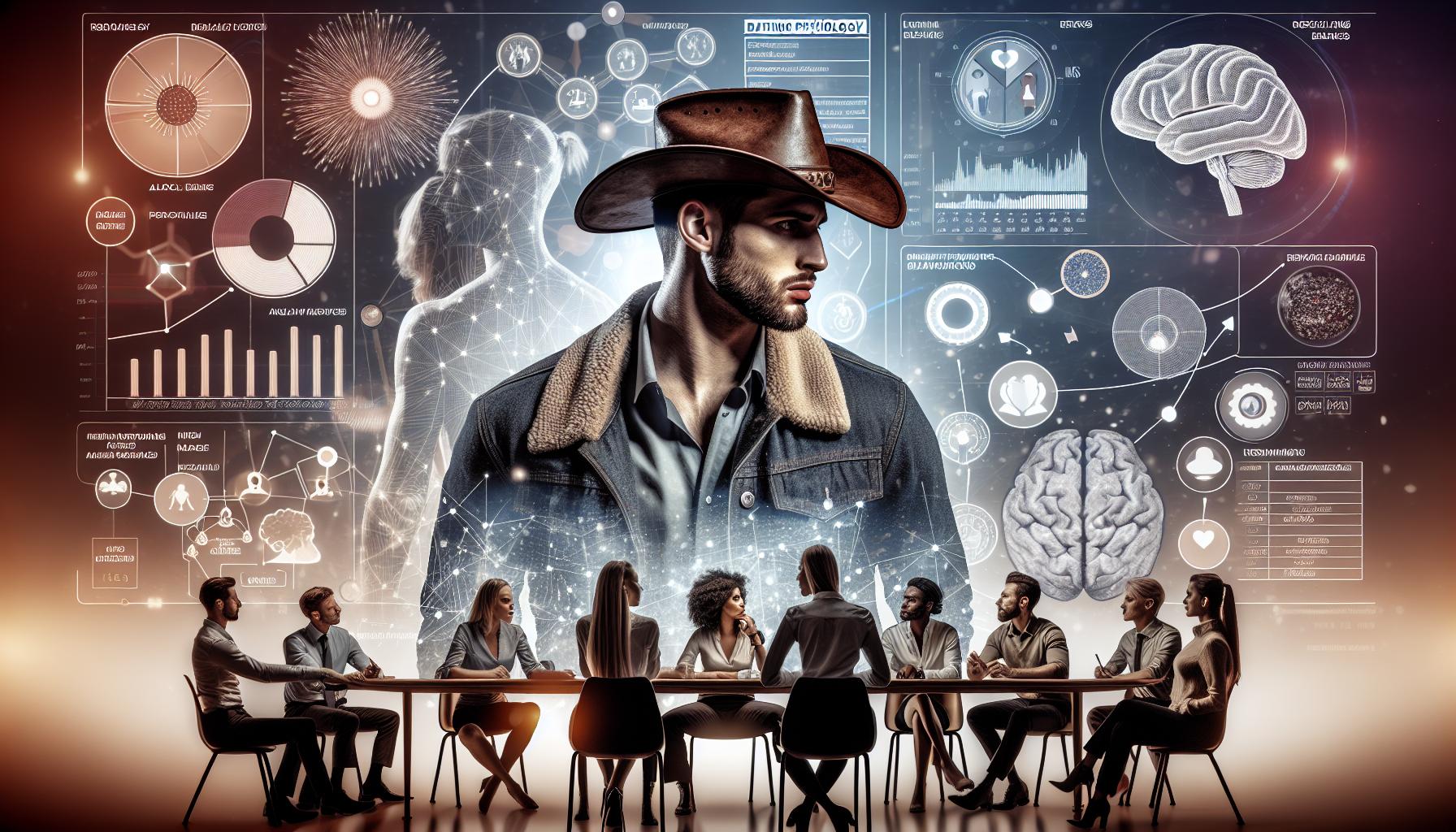
The Historical Roots of Masculinity in Western Films
The portrayal of masculinity in Western films draws heavily from the historical context of American expansionism and the archetype of the cowboy. These figures did not merely represent a romanticized vision of rugged individuals; they were seen as embodiments of the fundamental traits of American identity during the 19th century. Characters like the rugged frontiersman excelled in survival against daunting odds-both physical and social. In a world marked by lawlessness and vast open spaces, the ideal man emerged as one who was self-reliant, resourceful, and capable of confronting adversity without relying on others.
Frontier life necessitated a certain stoicism and emotional suppression, a reality that shaped not only how men navigated daily challenges but also how society came to view masculinity itself. This cultural backdrop established a set of behaviors and beliefs that prized toughness, physical strength, and bravery while simultaneously discouraging emotional expression and vulnerability. Over time, these traits became entrenched within the narratives of Western films, where the archetypal male hero often faced challenges alone, with little room for introspection or emotional nuance.
However, this historical narrative of masculinity in Westerns is not without its critiques. While early Westerns celebrated the rugged individualism of their male protagonists, they also propagated the myth that such traits were inherently noble. This glorification has contributed to harmful stereotypes surrounding manhood, equating vulnerability and emotional expression with weakness. Scholars argue that while the rugged cowboy remains an enduring symbol of masculinity, it’s essential to recognize that these portrayals simplify the complexities of male identity into rigid categories.
As modern audiences engage with Westerns, they have started to question these archetypes, leading to a richer depiction of masculinity that includes emotional complexity and self-reflection. Recent films have begun to deconstruct the myth of the rugged man by exploring themes of isolation and mental struggle, showcasing that vulnerability can coexist with strength. This evolution calls for a broader understanding of what it means to be an ideal man within the context of Western films, moving beyond traditional depictions to embrace a more multifaceted view of masculinity.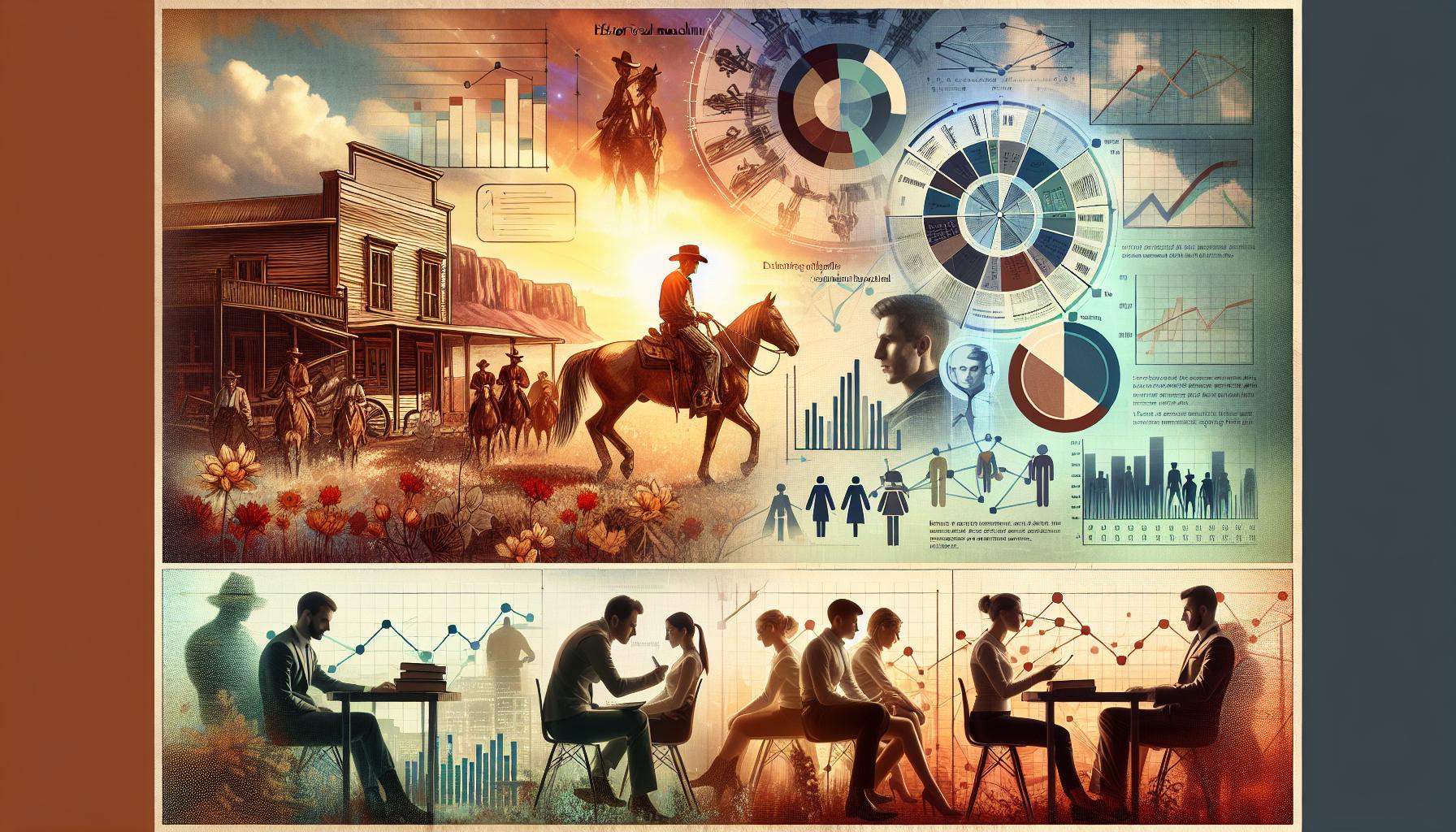
Key Traits of the Ideal Man in Western Narratives
In Western narratives, the ideal man often embodies a specific set of traits that reflect both the rugged individualism of the genre and the cultural values of the time. Central to this portrayal is the concept of self-reliance. The archetypal Western hero is frequently depicted as someone who thrives without societal support, reflecting a belief in personal responsibility and independence. This notion of self-sufficiency resonates with audiences, presenting him as a figure who can overcome vast physical and moral challenges with minimal resources.
Another hallmark of the ideal Western man is bravery. Characters in these films often confront danger head-on, whether it be facing off against outlaws or navigating hostile terrains. This courage not only showcases physical prowess but also ties into the narrative’s exploration of integrity and honor. The willingness to stand for one’s beliefs and protect the vulnerable establishes these men as paragons of morality, even amid lawlessness.
Moreover, stoicism plays a critical role in defining masculinity within this genre. The emotional restraint exhibited by Western heroes reinforces the idea that true strength lies in not showing vulnerability. This trait reinforces societal expectations, suggesting that emotional expression is a sign of weakness. The iconic quiet strength exemplified by characters like Clint Eastwood’s “Man with No Name” highlights the belief that a man should face adversity without complaint or show of emotional distress.
Despite these traditional traits, there is an increasing recognition of the limitations imposed by such archetypes. Modern storytelling often challenges these depictions, urging a re-examination of what constitutes masculinity. Films increasingly portray the complexities of male identity, reflecting a broader spectrum of male experiences that includes emotional depth and moral ambiguity. This evolution not only enriches the narratives but also fosters a more inclusive understanding of masculinity that resonates with contemporary audiences.
In summary, the -self-reliance, bravery, and stoicism-contribute deeply to the essence of the genre and the archetypes it creates. As society evolves, so too does the depiction of these characters, reflecting a more nuanced and multifaceted understanding of masculinity.
Rugged Masculinity vs. Emotional Vulnerability
Rugged masculinity, a hallmark of Western narratives, emphasizes traits like strength, stoicism, and self-reliance, often presenting a narrow definition of what it means to be a man. This archetype typically portrays men as emotionally repressed beings who navigate the world with unyielding toughness, avoiding any displays of vulnerability. The pervasive imagery of chiseled heroes facing threats without flinching reinforces a societal narrative that equates emotional expression with weakness. However, this portrayal neglects the psychological realities of human experience, where emotional vulnerability is not only natural but essential for genuine connection and mental health.
Research underscores the detrimental effects of adhering to rigid masculine ideals. Studies indicate that men who subscribe to traditional masculinity norms are less likely to seek help for mental health issues, potentially leading to increased rates of anxiety, depression, and substance abuse. The reluctance to express emotions fosters isolation and reinforces a cycle of silence around mental health struggles. Conversely, embracing emotional vulnerability can lead to richer relationships and improved mental well-being. In contemporary storytelling, films are beginning to challenge these age-old paradigms by depicting men who exhibit both rugged strength and emotional openness. Characters like Joel in “The Last of Us” or Chris in “Moonlight” illustrate that vulnerability can coexist with bravery, redefining masculinity for a new generation.
This evolving representation encourages men to embrace a more nuanced understanding of strength-where vulnerability is seen not as a flaw, but as a courageous act that fosters resilience and connection. As audiences are increasingly drawn to stories that reflect the complexities of human emotions, the ideal male character can be reimagined to include traits like empathy, compassion, and emotional intelligence, creating a richer narrative landscape that promotes healthier definitions of masculinity. Engaging with these themes not only supports men in their personal journeys but also reshapes societal expectations, promoting a culture that values emotional authenticity alongside strength.
The Role of Archetypes in Defining Masculinity
Archetypes play a vital role in shaping societal perceptions of masculinity, particularly within the Western genre. Characters such as the lone gunfighter, the anti-hero, and the noble lawman serve as templates that not only narrate stories but also establish the traits deemed essential for a man in a rugged landscape. Each archetype embodies specific virtues that reinforce the myth of rugged masculinity, pushing the narrative that strength, stoicism, and independence are paramount traits for men.
The lone gunfighter archetype, for example, is often portrayed as the ultimate embodiment of rugged masculinity. This character confronts moral dilemmas with a level of self-reliance that champions individualism. Films like *High Noon* portray the lead as a protector who faces insurmountable odds while remaining isolated from others, reinforcing the idea that true men face challenges alone. Such portrayals can lead audiences to internalize a skewed perception of masculinity, prioritizing resilience over vulnerability.
Characteristics and Consequences
Understanding these archetypes is crucial for unpacking their impact on men’s behavior and self-expectations. Some key characteristics associated with Western archetypes include:
- Strength and Toughness: Men are depicted as physically able and unyielding.
- Emotional Repression: Genuine feelings or vulnerabilities are often seen as weaknesses.
- Heroic Individualism: The achievement of societal good is typically rooted in personal bravery rather than community solidarity.
While these archetypes can serve to inspire strength and courage, they can also lead to significant emotional isolation and mental health issues among men. Research shows that those who identify closely with traditional masculine norms are less likely to seek help, leading to heightened rates of depression, anxiety, and substance abuse. By adhering strictly to these archetypes, men may come to feel that expressing vulnerability or seeking support is inconsistent with their identity.
Reimagining Archetypes for a Healthy Masculinity
In recent years, there has been a shift in how masculinity is portrayed in Western films. New narratives that blend the classic rugged archetype with emotional depth encourage a healthier understanding of what it means to be a man. Modern films challenge the idea that vulnerability is synonymous with weakness, showcasing characters who navigate emotional landscapes while still exhibiting bravery and strength. This shift not only cultivates a more inclusive view of masculinity but also reflects society’s growing acceptance of emotional intelligence and mental health awareness.
As audiences begin to resonate more with complex characters, it opens pathways for a broader discussion on what it means to be an ideal man today. By understanding and evolving these archetypes, we can contribute to a cultural transformation that values both strength and emotional authenticity.
Cultural Impacts of the Western Hero Archetype
The Western hero archetype deeply influences cultural perceptions of masculinity, becoming intertwined with societal norms and expectations. The rugged individualism embodied by characters such as the lone gunfighter and the steadfast sheriff sets a benchmark for what it means to be a “real man.” This portrayal reinforces ideals of strength, independence, and emotional stoicism that resonate with many. Yet, the impact extends beyond individual behavior, shaping collective understanding of gender roles and relationships.
Historically, these narratives have underscored a stark dichotomy between masculinity and femininity. Men, as depicted in Westerns, are strong protectors, often confronting challenges with sheer willpower, while women frequently occupy supportive roles, emphasizing the need for male strength. This reinforcement of a gender hierarchy can have real-world implications, affecting everything from personal relationships to broader societal attitudes towards gender equality. Research indicates that audiences who typically consume media featuring these archetypes may adopt similar attitudes in real life, perpetuating cycles of emotional repression and rigid gender norms. Men who identify strongly with these norms often struggle with emotional expression, which is statistically linked to negative outcomes such as increased rates of anxiety and depression.
In contemporary society, there’s a growing movement toward redefining these archetypes. Films and TV shows are beginning to explore more nuanced representations of masculinity that acknowledge vulnerability as a strength rather than a weakness. This shift presents an opportunity for healthier models of behavior that can not only aid in the individual’s emotional well-being but also promote progressive views on gender dynamics. By challenging the traditional Western hero mold, modern narratives allow for an evolved understanding of what being a man entails-embracing traits like emotional openness and community connection alongside ruggedness and resilience.
As the cultural dialogue progresses, audiences are increasingly encouraged to question long-held stereotypes and to define masculinity in more inclusive ways. This evolution necessitates a collective effort to reinterpret the ideals of the Western hero, promoting a version that values emotional authenticity and relational connections-qualities that are essential for a fulfilling life in today’s society.
Women’s Perspectives on Male Characters in Westerns
In the world of Western films, women often have a unique relationship with male characters, providing insights that both challenge and reinforce traditional portrayals of masculinity. While many men in Westerns are depicted as rugged, stoic figures embodying an idealized masculinity, women often serve as key observers, commentators, or even moral compasses in these narratives. Their perspectives can help audiences unpack the complexities of masculinity and its implications.
Women in Western films frequently occupy roles that highlight the limitations of the rugged male archetype. For instance, they may portray characters who are not only supportive but also resilient, often navigating the harsh realities of Western settings independently. This dynamic forces male characters to confront their vulnerabilities and emotional difficulties. Films like The Power of the Dog illustrate this well, where female characters challenge traditional masculinity and expose its fragility. The inclusion of female perspectives often reveals deeper emotional layers within male characters, inviting viewers to reflect on the unrealistic nature of the “ideal man” portrayed in these narratives.
Moreover, women’s depiction in Westerns serves as a counter-narrative to the hypermasculine ideal. They can embody strength in various forms-intellectual, emotional, and social-showing that true resilience is multifaceted. Despite the patriarchal underpinnings of many Westerns, female characters can be portrayed as strong thinkers and leaders who influence male characters’ journeys. For instance, characters like those in Meek’s Cutoff not only impact events but also challenge men to embrace cooperation and vulnerability rather than solely relying on traditional masculine attributes.
As these portrayals evolve, they offer a critical lens through which both male and female audiences can assess the implications of rugged masculinity. By reflecting on women’s experiences and perspectives in Western narratives, viewers can begin to understand the necessity of moving beyond simplistic notions of male strength toward a more integrated understanding of identity that values emotional openness and relational depth. This evolving dynamic encourages a reexamination of gender roles in not just the Western genre but in society at large, promoting an inclusive dialogue around the ideal man and the strengths of diverse identities.
Depictions of Masculinity Through the Ages
The portrayal of masculinity in Western films has evolved significantly, reflecting shifting societal values and cultural contexts. Initially, the rugged individualism associated with Western heroes was idealized, presenting a male figure who was self-reliant, stoic, and unyielding. This archetype often conformed to a simplistic narrative where strength was synonymous with a lack of vulnerability. However, as the genre progressed, filmmakers began to challenge this monolithic view of masculinity, revealing deeper emotional complexities and the consequences of such rigid notions.
The depiction of masculinity has undergone transformations closely tied to historical and cultural movements. In classic Westerns, men were often depicted as lawmen or outlaws who brought order through force. Their worthiness was measured by physical strength and gun-slinging skills, emphasizing a survival-of-the-fittest mentality. This representation reflects a time when American society romanticized the frontier spirit, associating manhood with courage, aggression, and domination over nature. Yet, as the modern era introduced new themes, films like The Power of the Dog began to explore the fragility and limitations of such a hard exterior, resulting in narratives that depict men grappling with insecurity, jealousy, and emotional pain.
Today’s Westerns increasingly incorporate a broader spectrum of masculinity, allowing for characters who exhibit emotional depth and complexity. For instance, films like Meek’s Cutoff not only challenge the dominant hypermasculine ideal but also depict men who learn to cooperate and show vulnerability in dire situations. These shifts highlight the idea that masculinity is not a fixed trait but rather a fluid construct that can encompass a range of emotional responses and relational dynamics. The broader portrayal of male characters encourages audiences to consider how traditional masculine ideals contribute to personal and societal challenges, such as violence, isolation, and a lack of emotional expression.
As audiences continue to engage with these evolving narratives, there’s a growing recognition of the need for a more integrated representation of masculinity-one that values emotional openness alongside strength, compassion alongside assertiveness. This transition invites viewers to question long-standing stereotypes and reimagine what it means to be a “real man” in contemporary society, moving toward a more inclusive understanding that celebrates diverse identities and experiences.
The Evolution of the Western Genre and Masculinity
The evolution of masculinity within Western films reflects broader societal changes and cultural shifts over the decades. Initially, Westerns glorified a narrow ideal: self-reliant, stoic men facing the vast, unforgiving landscape of the American frontier. These characters, often portrayed as gunfighters or lawmen, embodied a form of masculinity linked to physical dominance, quick decision-making, and an unwavering moral code, reinforcing the rugged individualism deeply embedded in American identity. Such portrayals often implied that emotional expression equated to weakness, favoring a narrative that valued aggression and stoicism over vulnerability.
As the genre progressed into the late 20th and early 21st centuries, filmmakers began to dissect this archetype, recognizing the psychological toll such rigid ideals could have on men. Movies like The Power of the Dog have emerged, illustrating the emotional complexities beneath the stoic exterior, where characters grapple with insecurity, jealousy, and internal conflicts, thereby challenging the myth of the ‘tough’ man. This transition mirrors societal advancements in understanding mental health and the necessity for emotional openness, emphasizing that true strength can coexist with vulnerability.
Moreover, contemporary Westerns are diversifying their character portrayals, moving away from one-dimensional heroes to men who demonstrate rich emotional lives and varied identities. For instance, films like Meek’s Cutoff not only question traditional hypermasculine codes but also highlight men who foster collaboration and understanding amongst their peers. This evolution indicates that masculinity is no longer viewed as a monolithic construct but rather as a spectrum that accommodates a range of emotional expressions and relationships, encouraging a more nuanced appreciation of what it means to be a man.
In sum, the evolution of masculinity within the Western genre serves as a crucial lens for understanding shifting societal norms. The genre’s journey from glorifying rugged individualism to embracing emotional complexity reflects a broader cultural movement towards inclusivity and a redefinition of the ideal man. As audience engagement with these evolving narratives deepens, so too does the opportunity for ongoing dialogue surrounding masculinity, inviting new interpretations and representations that resonate with contemporary values.
Critiques of Rugged Masculinity in Modern Media
Rugged masculinity, often celebrated in Western films, has come under critique in modern media as society grapples with the implications of these outdated ideals. The traditional depiction of men as stoic, self-reliant figures enshrines a narrow template that not only limits the portrayals of male characters but also affects real-life expectations of men. This archetypal masculinity promotes the notion that emotional vulnerability equates to weakness, creating pressure on men to conform to a model that discourages openness and emotional expression.
Critics point out that this rigid definition of masculinity can result in detrimental consequences, particularly in mental health. Research indicates that men are less likely to seek help for emotional issues, adhering to the stereotype that they must handle adversity alone. For instance, the American Psychological Association highlights that men often experience higher rates of substance abuse and suicide, largely due to societal pressures to maintain a tough exterior and refrain from expressing feelings or seeking support.
Moreover, modern narratives are beginning to embrace a more nuanced understanding of masculinity, presenting male characters who exhibit a range of emotions, including vulnerability. Films like The Power of the Dog not only showcase the affinity for ruggedness but also delve into the complexities of male relationships and the societal pressures that shape them. Characters are now being portrayed as flawed, grappling with underlying insecurities rather than just embodying an archetype. This shift encourages the audience to reconsider what it means to be a man, moving away from the traditional cowboy image towards a more relatable and diverse portrayal of masculinity.
As filmmakers reject the myth of rugged individualism, they open up discussions surrounding male identity and emotional health. It’s essential for media to present male characters who are not only heroic in their actions but are equally rich in their emotional intelligence and capacity for connection. By doing so, modern narratives invite audiences to reflect on the importance of emotional honesty and redefine what strength means in the context of interpersonal relationships. Such portrayals challenge the audience to dismantle preconceived notions of masculinity and embrace a broader spectrum of male experience, paving the way for more inclusive representations of manhood in film and society at large.
Challenging Stereotypes: New Masculinity in Films
In a cinematic landscape historically dominated by the archetype of rugged masculinity, the emergence of new narratives that challenge these stereotypes is both refreshing and necessary. As audiences become increasingly aware of the psychological and societal implications of traditional masculinity, films are beginning to reflect a more complex, nuanced portrayal of male characters. This shift not only humanizes the male experience but also encourages a broader conversation about what it means to be a man in contemporary society.
Modern films are increasingly portraying male characters who break away from the rigid confines of stoicism and invulnerability. Instead, they depict men experiencing emotional struggles and vulnerabilities, which resonate deeply with viewers. For instance, The Power of the Dog skillfully explores the fragility of masculinity through its protagonist, bringing to light the internal conflicts and societal pressures that lead to toxic behaviors. These portrayals suggest that strength does not necessitate emotional suppression; rather, true strength can be found in vulnerability and authenticity. By presenting men as multi-dimensional characters grappling with various degrees of emotional complexity, filmmakers are redefining masculinity to include empathy and emotional intelligence.
This evolution is crucial, given the mounting evidence around the detrimental effects of traditional masculinity on men’s mental health. Studies indicate that adherence to stereotypical masculine norms is linked to adverse outcomes, including higher rates of depression and reluctance to seek help. By showcasing characters who embrace their emotional sides, new narratives empower male viewers to reconsider their own relationship with vulnerability. These stories advocate for a more holistic understanding of masculinity-one that embraces emotional disclosures as signs of strength rather than weakness.
Moreover, viewers are responding positively to these new portrayals, fostering a desire for realistic and relatable male characters. This cultural shift has implications for future filmmaking and storytelling, indicating a market for films that explore male characters’ emotional journeys. As the Western genre modernizes alongside societal changes, audiences can expect more diverse representations of masculinity that challenge long-standing myths and foster healthier dialogues about manhood. The transformation toward a new masculinity in films not only enriches storytelling but also contributes to reshaping societal norms and expectations around what it means to be a man today.
Future Directions: Redefining the Ideal Man in Cinema
In the evolving landscape of cinema, there is a growing recognition of the need to challenge and redefine the ideal male archetype, especially within the Western genre, traditionally associated with a hyper-masculine ideal. As filmmakers push the boundaries of storytelling, the archetype of rugged masculinity is increasingly interrogated and reinterpreted. This shift is not merely a response to cultural changes but is deeply rooted in a broader understanding of masculinity, mental health, and the complexities of human emotions.
The ideal man in contemporary Westerns is becoming more multidimensional, moving beyond the simplistic warrior or lone cowboy. Current narratives are increasingly exploring themes of vulnerability and emotional depth. For instance, films like The Power of the Dog and Meek’s Cutoff showcase men who grapple with fear, love, and confusion, reflecting a more realistic portrayal of human experiences. This transition is crucial as societal research consistently shows the negative psychological impacts that traditional gender norms impose on men, including increased rates of anxiety, depression, and reluctance to engage in help-seeking behavior. By normalizing characters who exhibit emotional struggles, filmmakers create a space for discussions around mental health, encouraging audiences to embrace a more humane vision of masculinity.
To facilitate this transformation, it is vital that creators actively engage in conversations about masculinity that prioritize emotional intelligence and empathy. Workshops, panels, and collaborative projects can cultivate understanding and awareness among writers, directors, and producers. By combining analytical research with art, new pathways emerge for storytelling that resonate with modern audiences. Audiences are hungry for relatable characters-men who are not only strong in physicality but possess the emotional resilience to navigate life’s complexities.
The representation of men experiencing emotional vulnerabilities also opens doors to more diverse narratives. Audiences today are welcoming and supportive of films that tackle nuanced issues like fatherhood, friendship, and community responsibility. This demands a shift in scriptwriting and character development practices, welcoming voices from various cultural backgrounds to enrich the narratives. As these new stories unfold, they will not only captivate viewers but also potentially act as catalysts for change, inspiring a redefinition of what it means to be a man in today’s society. Embracing this evolution is crucial, as it aligns with a growing desire for authenticity in storytelling, where the ideal man is not just ruggedly tough but also profoundly human.
Faq
Q: What traits define the ideal man in Western films?
A: The ideal man in Western films typically embodies traits such as bravery, independence, toughness, and a strong moral code. These characteristics reflect a rugged masculinity that challenges adversities while often showcasing vulnerability in personal relationships (Key Traits of the Ideal Man).
Q: How has the portrayal of masculinity in Westerns evolved over time?
A: The portrayal of masculinity in Westerns has evolved from traditional rugged heroes to more complex characters that explore emotional depth and vulnerability. Modern narratives often challenge the classic archetype, presenting men who confront personal and societal dilemmas (The Evolution of the Western Genre).
Q: What impact do female perspectives have on the depiction of masculinity in Westerns?
A: Female perspectives significantly enrich the portrayal of masculinity by highlighting the emotional vulnerabilities and relational dynamics of male characters. This inclusion encourages a more nuanced understanding of masculinity beyond traditional tropes (Women’s Perspectives on Male Characters).
Q: Why is rugged masculinity considered a myth in modern society?
A: Rugged masculinity is often viewed as a myth because it perpetuates unrealistic standards of strength and emotional resilience. In contemporary discourse, this notion is challenged by recognizing the importance of emotional vulnerability and healthy expressions of masculinity (Critiques of Rugged Masculinity).
Q: How do Western films address emotional vulnerability in male characters?
A: Western films increasingly depict emotional vulnerability in male characters, showing their struggles with fear, loss, and relationships. This shift allows audiences to connect with the characters on a deeper level, breaking away from traditional stoic portrayals (Rugged Masculinity vs. Emotional Vulnerability).
Q: In what ways can new masculinity redefine male roles in Westerns?
A: New masculinity can redefine male roles in Westerns by promoting diverse traits such as empathy, cooperation, and emotional intelligence. This approach challenges stereotypes and leads to richer storytelling that resonates with contemporary audiences (Challenging Stereotypes: New Masculinity in Films).
Q: What are some examples of modern Westerns that redefine masculinity?
A: Modern Westerns like “Hell or High Water” and “The Assassination of Jesse James by the Coward Robert Ford” redefine masculinity by showcasing men grappling with internal conflicts, moral dilemmas, and varying emotional landscapes, reflecting a shift in narrative focus (Future Directions: Redefining the Ideal Man in Cinema).
Q: How does culture influence the archetypes of masculinity in Western films?
A: Culture significantly influences the archetypes of masculinity in Western films by shaping societal expectations and norms. As cultural values evolve, so do the representations of male characters, prompting filmmakers to explore new dimensions of masculinity that reflect contemporary ideals (Cultural Impacts of the Western Hero Archetype).
In Conclusion
As we explore the complexities of rugged masculinity in Westerns, it’s clear that the archetype often overlooks the nuances of modern relationships and emotional intelligence. To dive deeper into this topic, consider reading our articles on “The Evolution of Masculinity in Film” and “Understanding Emotional Intelligence in Relationships.” Don’t miss out on this opportunity to reassess traditional notions-subscribe to our newsletter for weekly insights that empower you to redefine what masculinity means today.
Your thoughts matter! Share your experiences or challenge our viewpoints in the comments; we want to hear from you. If you’re looking for tools to better understand relationship dynamics, check out our free resources linked below. By engaging with these materials, you’ll stay informed and ready to navigate the complexities of today’s dating landscape. Together, let’s unpack the myths and foster a healthier understanding of masculinity.


