

Hallucinations and delusions are often misunderstood, yet distinguishing between them is crucial for mental health awareness. While both involve a departure from reality, hallucinations are sensory experiences with no external stimuli, whereas delusions are strong beliefs held despite evidence to the contrary. This confusion can affect how we perceive our own experiences and those of others.
Understanding these differences can demystify mental health discussions, helping individuals recognize signs that may indicate underlying issues. As we delve deeper into this topic, we aim to shed light on the experiences of those affected and provide clarity that empowers readers with knowledge about their own mental well-being or that of a loved one. Join us as we unravel the intricacies surrounding hallucinations and delusions, fostering a deeper understanding of these complex phenomena.
What Are Delusions? Exploring the Core Differences
While hallucinations often steal the spotlight in discussions about mental health, delusions present an equally significant challenge and play a crucial role in understanding psychotic disorders. Delusions are defined as firmly held false beliefs that are resistant to reason or confrontation with actual facts. For instance, an individual might insist that they are under constant surveillance by a secret organization, despite overwhelming evidence to the contrary. This steadfast belief, not based in reality, showcases the fundamental nature of delusions: they are rooted in the individual’s misinterpretation of perceptions or life events.
One of the key distinctions between hallucinations and delusions lies in their nature; hallucinations involve sensing things that are not present-such as hearing voices or seeing things that others cannot-while delusions are about conviction and belief. Those experiencing delusions may be completely unaware that their beliefs are irrational, which leads to further complexities in treatment, as challenging these beliefs can often provoke defensive reactions. Delusions can vary widely in themes and intensity, and they often reflect a person’s experiences or fears, manifesting in the form of paranoia, grandiosity, or persecution.
Understanding these differences is vital for effective diagnosis and treatment. In clinical settings, delusions may be classified into several types, such as paranoid delusions-where the individual believes they are being harmed-or somatic delusions, which involve preoccupations about physical health. Recognizing these categories can assist mental health professionals in tailoring therapeutic interventions that emphasize building trust and gradually addressing stabilized beliefs through cognitive behavioral techniques. It’s essential for individuals supporting those with delusions to approach conversations with empathy while gently steering towards encouragement for seeking professional help, as this balance can aid in fostering a supportive environment for recovery.
The Psychological Mechanisms Behind Hallucinations
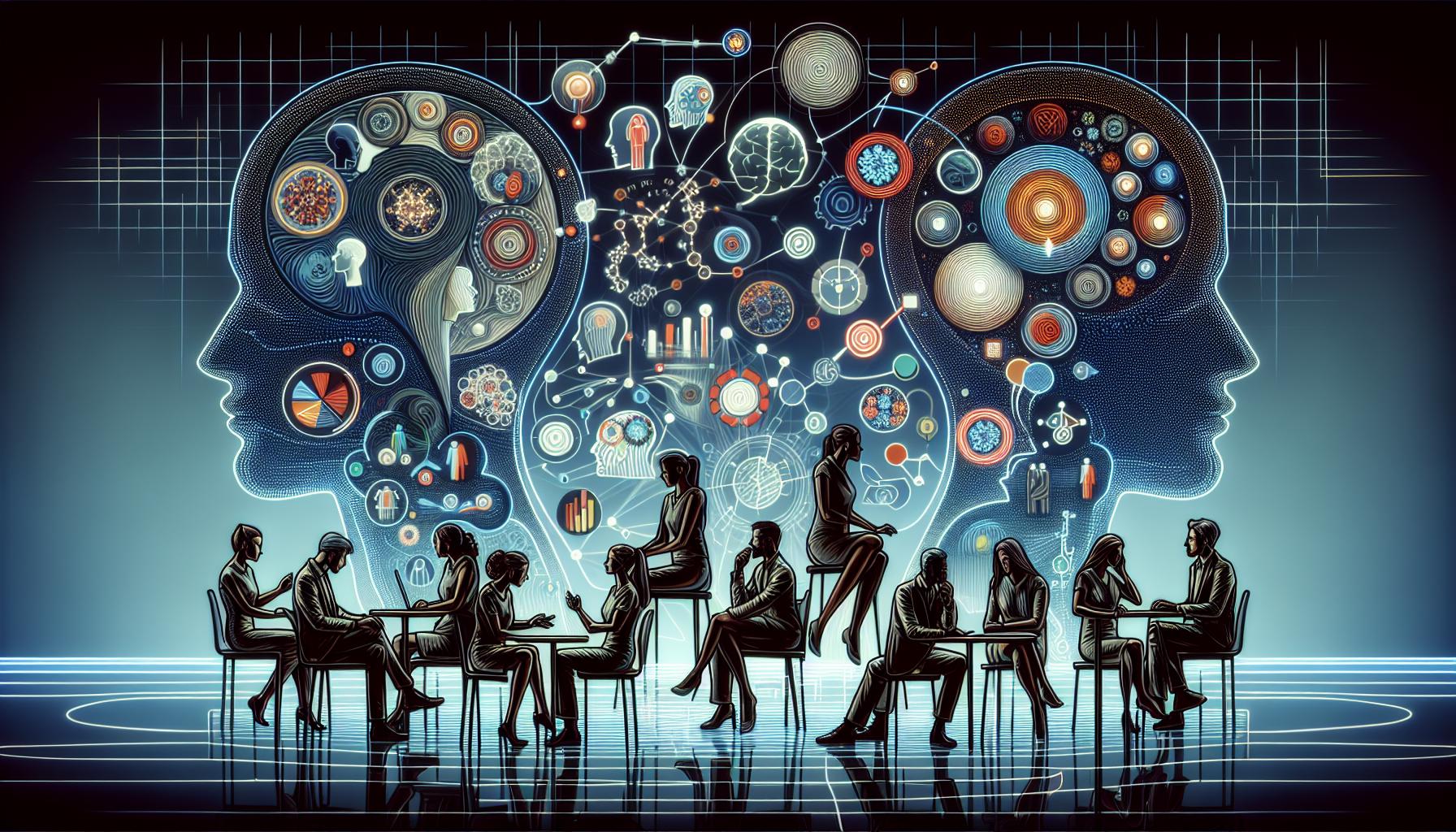
Hallucinations can be both startling and perplexing experiences, often leaving individuals questioning their grasp on reality. At their core, hallucinations involve perceiving something that is not present in the environment-be it sounds, sights, smells, or sensations. These are not mere figments of imagination; they emerge from complex psychological and neurological mechanisms that can be influenced by various factors, including stress, trauma, and underlying mental health conditions.
The mechanisms underpinning hallucinations can be understood through a combination of neurological and psychological perspectives. From a neurological standpoint, imbalances in brain chemistry, particularly involving neurotransmitters such as dopamine and serotonin, play a significant role. Stressful experiences can heighten these imbalances, leading to altered perceptions. For instance, the auditory hallucinations commonly experienced in schizophrenia may correlate with hyperactivity in specific brain areas such as the auditory cortex, where the brain misfires signals, resulting in the perception of voices.
On the psychological side, hallucinations are often intertwined with an individual’s emotional state and cognitive processes. High levels of anxiety or stress can set the stage for these episodes, as the brain’s attempt to cope with overwhelming feelings may manifest as sensory distortions. Additionally, past traumatic experiences can trigger hallucinations, particularly when they involve elements related to the trauma itself, making it crucial for mental health professionals to consider a patient’s history when diagnosing and formulating treatment plans.
Understanding these mechanisms allows for more targeted therapeutic interventions. Cognitive-behavioral strategies, for instance, can help individuals recognize and manage their responses to hallucinations, fostering a sense of control over their experiences. Furthermore, developing a strong support network deeply impacts the management of hallucinations, as shared experiences can foster understanding and reduce feelings of isolation. By acknowledging both the psychological and neurological components of hallucinations, individuals and their support systems can better navigate the complexities of these challenging experiences.
Common Misunderstandings: Hallucinations vs. Delusions

Hallucinations and delusions are often misunderstood concepts that can cause significant confusion for those affected by them and their loved ones. While both are symptoms of mental health disorders, they represent fundamentally different issues regarding perception and belief. Understanding these distinctions is crucial because it can help individuals identify their experiences more clearly and seek appropriate support.
Hallucinations are sensory experiences in which a person perceives something that isn’t present in reality, such as hearing voices or seeing things that don’t exist. These experiences can occur through any of the senses, but auditory hallucinations, like hearing voices, are particularly common. In contrast, delusions are false beliefs that are firmly held despite evidence to the contrary. For instance, an individual might believe they are being persecuted by others, despite a lack of factual support for this belief. This fundamental difference lies in the nature of the experience: hallucinations involve distorted perceptions, while delusions are rooted in incorrect interpretations of reality.
The overlap between hallucinations and delusions often leads to misconceptions that they are interchangeable. However, the truth is more nuanced. People experiencing hallucinations may not necessarily have delusions, and vice versa. For instance, an individual with schizophrenia may hear voices (a hallucination) but not harbor any persistent, false beliefs. On the other hand, someone might hold strong beliefs about being monitored or controlled (delusions) without experiencing any hallucinations.
Understanding the variables that contribute to these symptoms is essential in addressing and managing them effectively. Common clinical conditions associated with hallucinations include schizophrenia, severe depression, and substance abuse, while delusions can arise from similar contexts but often indicate a deeper issue with belief or cognition. Mental health professionals often utilize tailored cognitive-behavioral strategies to help patients discern their experiences, equipping them with tools to challenge their beliefs and manage their perceptions more effectively.
Types of Delusions: Categories Explained
Delusions are deeply entrenched false beliefs that can have a profound impact on an individual’s behavior and overall mental health. Recognizing the various types of delusions can provide clarity for those affected and their loved ones, helping to distinguish between the different manifestations of this psychological phenomenon. Delusions can be classified into several categories, each with unique characteristics and implications.
Types of Delusions
- Paranoid Delusions: These involve the belief that one is being conspired against, persecuted, or harmed in some way. Individuals may think that others are plotting against them or that they are under constant surveillance. This can lead to significant distress and isolation, as the individual may withdraw from social interactions based on these fears.
- Grandiose Delusions: Those experiencing grandiose delusions hold an inflated sense of self-importance or belief in their own abilities. They may think they possess special powers, knowledge, or a unique identity that sets them apart from others. For example, an individual might believe they are a celebrity or have invented a revolutionary product, regardless of evidence to the contrary.
- Referential Delusions: This type involves the belief that common elements of the environment, such as television broadcasts or public messages, are directly referencing or targeting the individual. Someone may think that a particular song on the radio is a personal message meant specifically for them, which can further distort their perception of reality.
- Somatic Delusions: With somatic delusions, individuals believe they have a physical illness or abnormality, despite medical evidence to the contrary. For example, someone might insist that they have bugs crawling under their skin or that their organs are failing, leading to unnecessary medical interventions and distress.
- Nihilistic Delusions: Nihilistic delusions reflect a belief that a major catastrophe is impending or that oneself or the world does not exist. Individuals may think that they are dead or that everything around them is an illusion, which can lead to profound despair and disconnection from reality.
Understanding the Impact
Understanding these categories of delusions is not just an academic exercise-it can inform treatment approaches and coping strategies. Mental health practitioners often employ evidence-based techniques, such as cognitive-behavioral therapy (CBT), to help individuals challenge and reframe these erroneous beliefs. Educating oneself or a loved one about the nature of these delusions can foster a more supportive environment and aid in seeking appropriate help.
By educating oneself on the diverse manifestations of delusions, those affected can gain insight into their experiences. This knowledge can serve as a critical first step towards understanding their mental health condition, fostering empathy from peers, and pursuing effective therapeutic measures tailored to their needs.
The Role of Context in Hallucinations and Delusions
The context in which hallucinations and delusions occur is crucial for understanding the nuances between these psychological experiences. While both phenomena are linked to distorted perceptions of reality, their manifestations and underlying mechanisms often depend on environmental, social, and emotional factors that can significantly influence an individual’s mental state.
Hallucinations often arise in contexts that increase stress or trigger underlying psychological conditions. For instance, someone experiencing isolation or trauma may begin to see or hear things that others do not, as the brain tries to cope with overwhelming emotions. Similarly, substance use can distort sensory perception, leading to vivid hallucinations. Understanding the precipitating factors-such as a lack of sleep, extreme emotional distress, or drug use-can provide vital clues in addressing these episodes.
On the other hand, delusions typically emerge more insidiously and may be rooted in deeply held beliefs that become more pronounced in specific contexts. For example, someone dealing with significant life changes, such as losing a job or experiencing a relationship breakdown, may begin to interpret events through a paranoid lens, leading to beliefs that others are out to get them. These distorted beliefs can be reinforced by social environments that inadvertently support the individual’s view, potentially creating an echo chamber effect.
To navigate situations where hallucinations or delusions are present, it’s essential to consider the broader context. Caregivers and mental health professionals should assess not only the individual’s symptoms but also their environmental stressors and support systems. Building a supportive community and encouraging open communication can help individuals challenge distorted perceptions while fostering resilience. Ultimately, understanding the context allows for a more tailored approach to treatment, helping individuals regain a clearer sense of reality and improve their overall well-being.
Clinical Conditions: When Hallucinations and Delusions Occur
Psychological phenomena such as hallucinations and delusions can occur in various clinical conditions, revealing not just the complexity of our mental state but also the intricate interplay between physiological and psychological factors. For instance, both hallucinations and delusions are hallmark symptoms of disorders such as schizophrenia, where the individual may experience profound deviations from reality, often leading to misinterpretations of everyday situations. In schizophrenia, auditory hallucinations-such as hearing voices-are particularly prevalent and can significantly impact an individual’s ability to function in daily life. The prevalence of positive symptoms like hallucinations is estimated to affect up to 70% of individuals diagnosed with this condition at some point during their illness.
Dementia-related conditions, especially Lewy body dementia and Alzheimer’s disease, also manifest hallucinations and delusions. In Lewy body dementia, visual hallucinations are common, and episodes may be accompanied by fluctuations in cognition and attention, making them particularly disorienting for patients and families alike. Understanding these presentations is crucial for care management, as misdiagnosis can lead to inappropriate treatments that do not address the underlying cause of the hallucinations or delusions.
Moreover, substance use disorders can lead to both hallucinations and delusions, often depending on the substance in question. Stimulants like cocaine or methamphetamine might provoke intense, sometimes violent delusions along with visual or tactile hallucinations, reflecting the drug’s direct effects on brain chemistry. This context highlights the importance of assessing substance use history when evaluating patients for these symptoms.
In identifiable clinical conditions, inappropriate environments or extreme stressors can exacerbate these symptoms, necessitating a multi-faceted approach to treatment.
Understanding Context in Clinical Conditions
When handling situations where hallucinations and delusions arise, context becomes a critical factor. Not all hallucinations or delusions are a result of chronic psychiatric conditions; they may also be acute responses to medical issues such as infections, brain injuries, or metabolic disturbances. For example, delirium-a sudden change in mental status caused by physical illness-can cause confusion, leading to paranoid delusions or vivid hallucinations.
Effective management often involves a comprehensive evaluation encompassing both psychological assessments and physical health checks. This enables healthcare providers to determine whether the symptoms stem from a psychiatric condition or are secondary to a medical issue, guiding the appropriate intervention. The need for a holistic approach cannot be overstressed, as every facet of a patient’s life can influence their mental state, from environmental stressors to social support systems.
In sum, recognizing when hallucinations and delusions occur within various clinical conditions helps demystify these experiences for both patients and their loved ones. By adopting a context-sensitive approach, it becomes possible to implement more effective interventions that cater to individual needs, ultimately promoting better outcomes in mental health care.
Coping Strategies for Hallucinations and Delusions
Experiencing hallucinations or delusions can be profoundly unsettling. For individuals grappling with these symptoms, understanding how to manage their experiences is crucial in maintaining a sense of stability and well-being. One effective approach is to cultivate resilience through various coping strategies that empower individuals to navigate their unique challenges.
- Mindfulness and Grounding Techniques: Engaging in mindfulness practices can help anchor individuals in reality. Techniques like deep breathing, focusing on physical sensations, or visualizing safe spaces can reduce anxiety and provide a moment of psychological respite. For instance, when someone begins to feel overwhelmed by a hallucination, taking a few slow, deep breaths and focusing on the texture of an object can help shift their attention.
- Reality Testing: This method involves checking the validity of thoughts and perceptions against external reality. For example, asking a trusted friend or family member whether a perceived event is happening can clarify doubts. Keeping a journal of daily experiences can also help individuals reflect on patterns and recognize when their perceptions may be influenced by their mental state.
- Establishing Routines: Consistency can foster a sense of stability. Creating daily routines around tasks such as eating, sleeping, and exercising can help regulate mood and reduce the frequency of hallucinations and delusions. It can also make environmental triggers more predictable and manageable.
- Limit Stressors: Identifying and addressing potential triggers is vital. Stress and fatigue can exacerbate symptoms; thus, managing one’s environment-by removing sources of stress or seeking supportive company-can lead to significant improvements. Learning to say no to additional commitments during stressful periods is an act of self-care that can make a difference.
- Seeking Professional Help: Professional guidance from therapists, psychiatrists, or psychologists is invaluable. Treatments such as cognitive-behavioral therapy (CBT) can be particularly effective in challenging distorted thinking patterns that accompany delusions. Medication may also be necessary for symptom control, and it’s crucial to work closely with healthcare providers to find the right combination of therapies.
Incorporating these strategies into daily life can help individuals increase their sense of control over their experiences. It’s important to remember that while hallucinations and delusions can feel isolating, they are manageable with the right support and techniques. Each individual’s journey is unique, and finding the right mix of strategies often takes time and perseverance, but positive outcomes are absolutely achievable.
Therapeutic Approaches: Treatment Options Explored
Navigating the complexities of hallucinations and delusions can be daunting, yet effective therapeutic approaches can significantly aid in managing these experiences. A multifaceted treatment strategy often combines various elements tailored to the individual’s needs. Recent research highlights the efficacy of both pharmacological and non-pharmacological interventions in alleviating symptoms and enhancing overall well-being.
Medication Management
Pharmacotherapy remains a cornerstone in the treatment of severe hallucinations and delusions, particularly in conditions such as schizophrenia or psychotic disorders. Antipsychotic medications are commonly prescribed to help stabilize mood, reduce hallucinations, and challenge delusional thinking. For instance, atypical antipsychotics, such as risperidone or olanzapine, have gained recognition for their effectiveness in managing symptoms with a favorable side effect profile. Research suggests that around 70% of individuals with schizophrenia show improvement with these medications, highlighting their critical role in treatment plans. However, it is essential for patients to work closely with their healthcare providers to find the most suitable medication and dosage tailored to their specific circumstances.
Cognitive Behavioral Therapy (CBT)
Incorporating psychotherapy, particularly cognitive-behavioral therapy (CBT), can greatly enhance the effectiveness of medicinal treatments. CBT focuses on challenging and reshaping distorted thought patterns associated with hallucinations and delusions. By engaging in structured therapy sessions, individuals learn to identify triggering thoughts and replace them with more rational perspectives. This method has been shown to reduce hallucination frequency and improve coping mechanisms. Studies demonstrate that about 40% of individuals undergoing CBT report significant reductions in symptoms, owing to improved insight and coping strategies.
Supportive Therapies and Lifestyle Adjustments
Beyond medication and traditional therapy, supportive therapies-including art therapy, group therapy, and mindfulness practices-offer valuable avenues for individuals coping with hallucinations and delusions. These modalities provide safe spaces for expression and connection with others who share similar experiences, fostering a sense of community. In parallel, lifestyle adjustments, such as maintaining a consistent daily routine, practicing stress management techniques, and ensuring proper sleep hygiene, can further stabilize emotional health. For instance, engaging in regular physical activity may cut down on anxiety levels and promote better overall mental health.
In conclusion, a collaborative therapeutic approach combining medication, psychotherapy, and lifestyle modifications can profoundly impact individuals’ ability to manage hallucinations and delusions. While the journey may be challenging, with the right support and interventions, achieving significant improvements in quality of life is both possible and attainable.
When to Seek Help: Signs You Shouldn’t Ignore
When dealing with hallucinations or delusions, it’s imperative to recognize the signs that indicate it’s time to seek professional help. Many individuals may experience occasional unusual thoughts or sensory experiences, but certain patterns and intensities warrant immediate attention. Understanding what can signal a more serious concern can empower you to take action and seek the assistance you need.
Common signs that shouldn’t be ignored include persistent hallucinations, especially when they escalate in frequency or intensity. If you find yourself experiencing voices, visions, or sensations that disrupt daily life and provoke significant distress, it may be time to consult a healthcare provider. Similarly, delusions that lead to impaired functioning-such as a conviction that others are plotting against you-should not be dismissed. Research shows that about one in three individuals with a psychotic disorder such as schizophrenia experience significant risks to their safety and well-being during acute episodes of hallucinations or delusions.
Additionally, if you’re noticing changes in mood or shifts in your behavior, these could be crucial indicators. For example, an increase in anxiety, paranoia, or irritability, or a noticeable decline in social interactions or interest in activities you once enjoyed, are red flags. Family members or close friends might also notice changes before you do, so it’s essential to listen to their concerns.
### Signs to Watch For:
- Intensified Hallucinations: Experiences that become more vivid or distressing.
- Increasing Delusions: Unwavering beliefs that are outside of reality, impacting daily functioning.
- Behavioral Changes: Withdrawal from social activities or changes in routine.
- Mood Fluctuations: Severe mood swings, increased irritability, or feelings of hopelessness.
- Substance Use: Reliance on drugs or alcohol to cope with unusual experiences.
If you or someone you know exhibits these signs, don’t hesitate to seek help. Contact a mental health professional who can provide a thorough assessment and recommend appropriate treatment. Remember, early intervention can significantly improve outcomes, and living with hallucinations or delusions is not a condition you have to face alone.
Research Findings: Latest Insights into Hallucinations and Delusions
Research indicates that the understanding of hallucinations and delusions is an evolving field, with recent studies shedding light on their underlying mechanisms, prevalence, and impact on quality of life. For instance, approximately 30% of individuals with schizophrenia experience hallucinations, characterized by sensory perceptions without an external stimulus, while delusions, defined as firmly held false beliefs, can occur in various psychiatric disorders, including bipolar disorder and major depressive disorder. This highlights the crucial distinction between the two phenomena-hallucinations are perceptual errors, whereas delusions are cognitive distortions.
Recent advancements in neuroimaging and psychological research have illuminated the brain regions implicated in these experiences. Research shows that areas such as the temporal lobes are heavily involved in auditory hallucinations. Abnormalities in dopamine pathways have also been implicated in both hallucinations and delusions, suggesting a neurochemical basis for these symptoms. Furthermore, there’s a growing recognition of the role that contextual and environmental factors-such as stress and trauma-play in the onset and intensity of these experiences. Understanding these influences not only informs treatment strategies but also guides the development of preventative measures.
In terms of therapeutic approaches, recent findings advocate for a personalized care model. Cognitive-behavioral therapy (CBT) has emerged as a promising treatment for managing both hallucinations and delusions, allowing patients to reframe their experiences and develop coping strategies. In addition to traditional pharmacological treatments, there is increasing interest in integrative approaches that include mindfulness and psychoeducation, empowering individuals with knowledge and tools to better understand and manage their symptoms.
Additionally, the stigma surrounding hallucinations and delusions remains a significant barrier to seeking care. Educating the public on these conditions is vital, as misconceptions can lead to discrimination and social isolation. Research supports the notion that increased awareness and empathy can significantly improve the societal acceptance of those experiencing these phenomena. As more people understand that hallucinations and delusions are symptoms that can be effectively treated, the likelihood of individuals seeking help when they encounter these signs may increase, ultimately enhancing their quality of life.
Frequently asked questions
Q: What are the main differences between hallucinations and delusions?
A: Hallucinations are perceptual experiences that occur without real external stimuli, such as hearing voices or seeing things that aren’t there. In contrast, delusions are firmly held false beliefs that are resistant to reason, like believing one has special powers. Understanding these differences is crucial for better mental health awareness.
Q: How can one cope with hallucinations and delusions?
A: Coping strategies include seeking professional help, engaging in grounding techniques to reconnect with reality, maintaining a routine, and avoiding triggers. Support groups can also provide valuable spaces for sharing experiences and strategies. For more coping techniques, see the “Coping Strategies for Hallucinations and Delusions” section.
Q: Are hallucinations and delusions symptoms of the same mental disorders?
A: While both can occur in various mental health conditions, they often manifest in different disorders. For instance, hallucinations are commonly associated with schizophrenia, while delusions may appear in conditions such as paranoia or delusional disorder. Understanding these nuances aids in accurate diagnosis and treatment.
Q: When should one seek help for hallucinations or delusions?
A: If hallucinations or delusions interfere with daily functioning, relationships, or overall life quality, it’s essential to seek help. Early intervention can lead to better outcomes. For signs to look out for, refer to the “When to Seek Help” section in the article.
Q: What role does context play in experiencing hallucinations and delusions?
A: Context significantly influences both hallucinations and delusions. Environmental factors, traumatic experiences, and cultural beliefs can shape how these symptoms manifest and are interpreted. Exploring this in the “The Role of Context in Hallucinations and Delusions” section can provide deeper insights.
Q: Can stress trigger hallucinations or delusions?
A: Yes, high-stress levels can exacerbate or trigger hallucinations and delusions in individuals predisposed to mental health disorders. Stress management techniques are vital for those vulnerable to these symptoms. Discover more about managing stress in relation to mental health in the main article.
Q: What treatments are available for hallucinations and delusions?
A: Treatment options may include therapy (such as cognitive-behavioral therapy), medication (like antipsychotics), and supportive interventions. Tailoring treatment to individual needs is crucial for effectiveness. For more details, see the “Therapeutic Approaches: Treatment Options Explored” section.
Q: How do hallucinations affect daily life?
A: Hallucinations can disrupt daily activities, relationships, and work by impairing judgment and perception. This can lead to isolation and anxiety. Understanding their impact is essential for developing effective coping strategies and seeking professional support. For tips on managing these effects, refer back to the relevant sections in the article.
In Retrospect
Understanding the differences between hallucinations and delusions is crucial for both mental health literacy and personal wellbeing. By clarifying these often confused terms, we empower you to identify symptoms accurately and seek appropriate help. If you’re feeling uncertain or overwhelmed, know that it’s okay to reach out for support-consider exploring our resources on mental health assessments and treatment options for a deeper understanding.
Don’t let this confusion linger-take charge of your mental health today. Subscribe to our newsletter for the latest insights and expert advice, or check out our articles on coping strategies for mental health conditions and navigating mental health support systems. Engage with us by sharing your thoughts in the comments below or by sharing this article with someone who may benefit from it.
Stay informed, stay engaged, and continue your journey toward clarity. Remember, your mental health matters, and knowledge is your best ally in navigating these complex topics.


