

Bipolar disorder affects millions, influencing not just mood but also perceptions and reality. One of the more puzzling aspects is the potential for delusions during manic or depressive episodes, which can complicate personal relationships, especially in dating. Understanding how bipolar disorder can lead to these delusions is crucial for both individuals experiencing it and their partners. This knowledge can illuminate the dynamics at play in relationships challenged by mood swings, offering insights that foster empathy and effective communication.
For those navigating the dating world while managing bipolar disorder, recognizing the signs and implications of delusions can empower healthier connections. By addressing these realities head-on, individuals can enhance their emotional intelligence, thereby reducing misunderstandings and fostering deeper connections. As we dive into the complexities of this topic, you’ll find valuable insights that can help demystify the relationship between bipolar disorder and delusions, ultimately guiding you toward more fulfilling relationship experiences.
Understanding Bipolar Disorder and Its Symptoms
Bipolar disorder is a complex mental health condition characterized by significant mood swings, including episodes of mania-or hypomania-and depression. Understanding this disorder begins with recognizing its hallmark symptoms: during manic episodes, individuals may experience heightened energy, euphoria, irritability, and impulsive behaviors, while depressive episodes can lead to feelings of hopelessness, fatigue, and loss of interest in activities. According to the Mayo Clinic, bipolar disorder encompasses a range of mood-related issues that can vary greatly in severity and frequency, making accurate diagnosis and treatment essential for effective management.
Living with bipolar disorder can pose various challenges, particularly when it comes to relationships and social interactions. Intense mood fluctuations may distort perceptions of reality and lead to delusions, where individuals believe things that are not true or have a misrepresentation of the situation around them. During manic or depressive episodes, for instance, delusions may manifest as grandiose beliefs, paranoia, or feelings of being unworthy or undeserving. Recognizing these symptoms early is vital for individuals and their partners, as open communication can facilitate understanding and appropriate support during particularly difficult times.
Coping with bipolar disorder requires a multifaceted approach, incorporating both personal strategies and professional treatment. Reliable support systems-including friends, family, and mental health professionals-play a pivotal role in managing the disorder. It’s also essential for those dating or in relationships with someone with bipolar disorder to educate themselves about the condition, openly discussing boundaries and encouraging adherence to treatment plans. Understanding the realities of bipolar disorder helps build a nurturing environment where support can flourish while acknowledging the medicinal and therapeutic routes available for stabilization and recovery.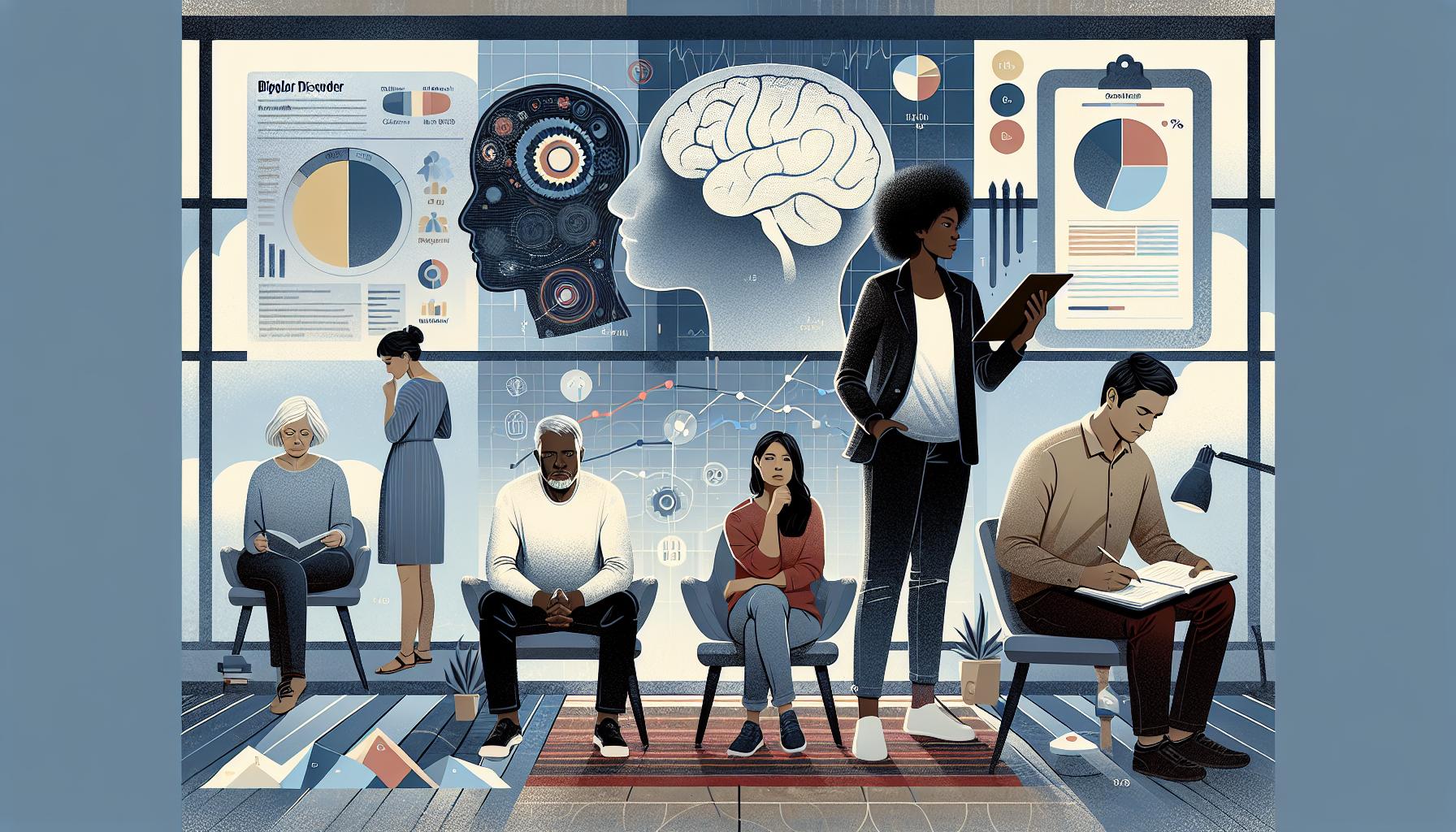
The Connection Between Mood Swings and Delusional Thoughts
Intense mood swings associated with bipolar disorder can significantly affect an individual’s perception of reality. During manic phases, a person may experience overwhelming feelings of euphoria or invincibility, leading to grandiose delusions where they believe they possess abilities or insights beyond the norm. Conversely, depressive episodes can breed feelings of worthlessness or paranoia, fostering negative beliefs that skew self-perceptions and insights about others. These distortions are not merely fleeting thoughts; they are deeply rooted in the emotional turbulence that characterizes bipolar disorder.
In understanding , it’s crucial to recognize that these mental states are influenced by biochemical changes in the brain, as well as environmental factors. For instance, stressors in relationships or significant life events can exacerbate mood changes, magnifying delusional thinking. Research indicates that nearly 60% of individuals with bipolar disorder may experience some form of psychotic symptoms, including delusions, during their manic or depressive episodes. This highlights the importance of awareness and proactive management when navigating relationships impacted by bipolar disorder.
To effectively cope with the potential for delusions during fluctuations in mood, individuals and their partners can benefit greatly from establishing a supportive environment. Clear communication about each other’s needs and perceptions can aid in dispelling misconceptions before they evolve into full-blown delusions. Recognizing early warning signs such as increased irritability or unrealistic plans can facilitate timely interventions, whether they are seeking a mental health professional’s guidance or introducing grounding techniques to manage spiraling thoughts.
Effective coping strategies include keeping a mood journal that tracks fluctuations alongside any corresponding thoughts or beliefs. This personal inventory can serve as a valuable tool for self-reflection and for encouraging constructive conversations with partners, enabling a shared understanding of how mood swings affect perceptions and decisions. Through mutual education and open dialogue, couples can foster an empathetic relationship where support and understanding serve as pillars for navigating the challenges of bipolar disorder.
Recognizing Delusions: Signs and Symptoms to Watch For
Recognizing delusions in someone with bipolar disorder is crucial for maintaining a healthy relationship, both for the individual experiencing these symptoms and their partner. Delusions can manifest in various forms, such as persistent false beliefs and altered perceptions of reality. Understanding the signs is key to addressing these challenges effectively.
Common signs of delusions during manic or depressive episodes include:
- Grandiosity: Individuals may exhibit inflated self-esteem or an unrealistic sense of superiority, believing they have special powers, talents, or insights.
- Paranoid thoughts: During depressive episodes, one may develop a deep-seated paranoia, thinking that others are out to harm or deceive them.
- Disconnection from reality: A marked inability to differentiate between what is real and what is not, leading to misguided beliefs about situations or conversations.
- Erratic behavior: Unpredictable actions that may stem from distorted thinking-like impulsively spending money or making unrealistic plans without proper consideration.
It’s essential to remember that encountering delusions is not a reflection of a person’s character but rather a symptom of the disorder influenced by neurotransmitter imbalances in the brain. Statistically, around 60% of those with bipolar disorder may experience such psychotic symptoms at some point, which can complicate personal relationships. Partners should be aware of these potential disruptions to navigate their interactions with understanding and patience.
Practical steps to recognize and respond to delusions include engaging in open dialogues about emotions and perceptions. Keeping a shared journal to track moods and thoughts can also facilitate conversations that mitigate misunderstandings. This proactive approach fosters a collaborative atmosphere where both partners can support each other and respond to any early warning signs indicative of delusional thinking. By approaching delusions with compassion and factual awareness, couples can work together to strengthen their relationship amidst the complexities of bipolar disorder.
Coping Strategies for Managing Delusions
Managing delusions that can arise in individuals with bipolar disorder is critical for maintaining personal and relational stability. When delusions occur, they can distort reality and impact decisions, relationships, and everyday functioning. Understanding and implementing effective strategies to cope with these experiences can empower both individuals with bipolar disorder and their partners to navigate these challenges more successfully.
Establishing a trustworthy support system is fundamental in managing these symptoms. Open communication about feelings and fears can diminish the anxiety associated with delusions. This could involve regular check-ins where partners actively listen to one another and validate each other’s experiences. For instance, creating a structured environment where both partners agree to express their thoughts can provide clarity and reduce misunderstandings. Keeping a shared journal may also help document moods and thoughts, facilitating discussions and revealing patterns that can signal an impending delusional episode.
Furthermore, grounding techniques can be immensely beneficial. These strategies include mindfulness exercises, deep-breathing techniques, or sensory awareness practices that help anchor individuals in the present. When someone feels delusional thoughts intensifying, engaging in a grounding exercise can provide immediate relief and support a return to reality. For example, focusing on a safe and familiar object can help re-establish a sense of normalcy and control over their surroundings.
It is also crucial to develop a comprehensive safety plan tailored for high-stress moments when delusions may peak. This plan might include emergency contacts, specific warning signs of escalating symptoms, and coping mechanisms that have proven effective in previous scenarios. As part of this strategy, partners should also educate themselves about bipolar disorder and its manifestations. This knowledge can foster empathy and diminish any stigma or misunderstanding, ultimately creating a safer and more supportive environment for both individuals involved.
Lastly, while these strategies can be effective, it’s vital to recognize when professional intervention is needed. Consistent therapy and medication management can address underlying mental health issues and may significantly reduce the occurrence and severity of delusions. Couples should work together to support appointments with mental health professionals, fostering a cooperative approach as they learn and grow together through the complexities of bipolar disorder. Caring communication ensures that the relationship remains strong, even amidst challenges.
The Role of Support Networks in Managing Bipolar Disorder
A strong support network can significantly influence the trajectory of bipolar disorder, especially when managing the potential delusions that can arise. Studies indicate that individuals with solid social support systems tend to experience better outcomes, demonstrating lower rates of episodes and more effective coping strategies. When navigating the complex emotional landscape that comes with bipolar disorder, having allies who genuinely understand the condition is vital for promoting stability and fostering resilience.
To construct an effective support network, it’s essential to identify key individuals who can offer consistent emotional and practical assistance. This could include family members, close friends, or even support groups composed of others who share similar experiences. Here are some practical steps to cultivate this support system:
- Educate Your Network: Share information about bipolar disorder with friends and family. This can help them understand the nature of the condition and its potential impact on behavior and thought processes, which might include delusions.
- Encourage Open Dialogue: Create an environment where conversations about feelings and experiences can occur without stigma. Regularly discussing triggers and warning signs can help loved ones to understand when to step in.
- Engage in Support Groups: Joining a support group offers the opportunity to connect with others who are also managing bipolar disorder. Sharing experiences can provide both insights and encouragement.
- Utilize Technology: Consider apps or online platforms designed for managing mental health. These can help track moods, daily thoughts, and significant events, making it easier to share this information with your support network.
It’s important to acknowledge that dead ends might occur when it comes to finding support. Not everyone may understand the nuances of bipolar disorder, and some relationships may become strained. This reality check underscores the importance of patience and persistence in securing a reliable support network. In cases where the current network is insufficient, reaching out to mental health professionals can also provide the structured support needed to navigate severe symptoms or delusions.
The moments of crisis can be overwhelming, but they also serve as touchpoints for building stronger relationships. When delusions challenge perceptions, a supportive network can provide grounding, helping individuals reconnect to reality. Research indicates that effective communication strategies, such as active listening and expressing empathy, are key in these scenarios. A network that practices these skills not only helps to dispel delusions but also reinforces the individual’s self-worth and the relationship’s integrity. Ultimately, fostering a supportive environment can transform the journey with bipolar disorder into one defined not only by challenges but also by strength and hope.
Exploring the Myths and Facts About Bipolar Disorder
Bipolar disorder is often shrouded in misconceptions that can adversely affect those living with the condition, especially regarding how it influences relationships and dating. A significant myth is that bipolar disorder, particularly during manic episodes, inevitably leads to destructive behaviors in romantic relationships. While it’s true that mood swings can create challenges, many individuals successfully manage their symptoms and maintain healthy relationships. Understanding the reality of bipolar disorder can empower both those affected and their partners in navigating the complexities of their experiences.
One common misconception is that individuals with bipolar disorder are likely to have violent or erratic outbursts. In reality, many people with bipolar disorder can recognize their triggers and employ coping strategies to prevent escalation. Research shows that proper treatment-ranging from medication to psychotherapy-can mitigate the severity of symptoms. Moreover, it’s worth noting that delusions do not universally accompany all episodes of mania or depression; many individuals experience these phases without delusions, which can further clarify the condition’s diverse manifestations.
Another important point to address is the belief that bipolar disorder defines a person’s identity. Individuals are more than their diagnosis, and it’s crucial to recognize their unique attributes beyond their mental health challenges. For partners, fostering a sense of normalcy within the relationship while being informed about the disorder can help create a supportive environment. Open communication about feelings, needs, and boundaries is fundamental in these relationships, ensuring both partners feel respected and understood.
Lastly, self-stigmatization is a barrier that many facing bipolar disorder encounter. Transparency about the condition not only promotes awareness but also fosters understanding from partners and friends. Encouraging discussions about bipolar disorder within social circles can combat stereotypes and myths, creating a more informed supportive community. Such initiatives can help de-stigmatize the experiences associated with this disorder, allowing for healthier interactions and relationships rooted in empathy rather than fear or misunderstanding.
Advice for Partners: Navigating Dating with Bipolar
Navigating a relationship with someone who has bipolar disorder can be complex, but it also presents opportunities for deep connections and mutual growth. It is vital to develop a strong understanding of the disorder, as this knowledge can help partners provide supportive environments that foster stability and empathy. One crucial aspect is recognizing that bipolar disorder affects mood regulation, which can lead to fluctuating emotional states and, occasionally, delusions. Being informed is the first step toward a compassionate partnership.
In any relationship, open communication is key, but this is especially true when bipolar disorder is involved. Partners should create a safe space to discuss feelings, triggers, and coping strategies without judgment. For instance, setting up regular check-ins can help both individuals express their needs and establish healthy boundaries. This practice not only reinforces emotional intimacy but also enhances the ability to navigate mood swings and potential delusions. Be proactive in discussing what to do during episodes of mania or depression, and collaboratively explore strategies that can help mitigate their impact.
Understanding and Reassuring
It’s also important for partners to understand the distinction between typical mood swings associated with bipolar disorder and signs of more severe episodes, such as delusions. Educating oneself through reliable resources can dispel myths surrounding these experiences. There’s a common misconception that all individuals with bipolar disorder engage in harmful behavior or develop severe delusions during manic phases, but research shows that many experience symptoms that do not escalate to this level. For instance, studies indicate that around 30-60% of people with bipolar disorder will experience delusions during a manic episode, suggesting that many can manage their symptoms effectively without severe complications.
When delusions do occur, partners should approach the situation with sensitivity. The goal should not be to challenge or confront the delusional belief directly, as this can lead to further agitation. Instead, try to reassure your partner by gently redirecting the conversation towards factual affirmations. When feasible, involve a mental health professional, as they can offer comprehensive support and guidance tailored for both individuals in the relationship.
Building Resilience Together
Recognizing the positive aspects of being with someone who has bipolar disorder is equally important. Partners often develop heightened emotional intelligence, learning to navigate complex emotional landscapes with greater empathy and patience. Take time to celebrate the good days together, building a foundation of shared experiences and joy. Engaging in hobbies, maintaining social connections, and prioritizing self-care fosters resilience, making the relationship stronger.
In a world filled with stigma around mental health, advocates for understanding and openness like you can eradicate misconceptions through education and shared experiences. Whether it’s participating in local mental health awareness events or simply talking about your journey with friends and family, being an advocate helps not just your partner but strengthens your bond as well. Remember that while the journey may be challenging, love and understanding can pave the way for profound connection and personal growth.
Challenges and Rewards of Loving Someone with Bipolar
The experience of loving someone with bipolar disorder can resemble a rollercoaster ride-filled with exhilarating highs during manic phases and deep lows when depression hits. While this emotional volatility may pose challenges, it also opens the door to profound rewards, fostering connections that may be absent in more conventional relationships. Understanding these dynamics is crucial for partners navigating the complexities of love intertwined with mood disorders.
Recognizing the statistical nuances surrounding bipolar disorder can help partners set realistic expectations. With about 30-60% of individuals experiencing delusions during manic episodes, it’s essential to appreciate that not everyone will encounter severe symptoms. This variability means that while some days may be fraught with difficulties, others can be characterized by deep affection and joy. Partners should be prepared for unpredictability, understanding that mood swings are not reflective of personal shortcomings but rather manifestations of the disorder.
Effective communication lays the foundation for a healthy relationship amidst these challenges. Partners should strive to create safe spaces for discussion, allowing for open dialogue about feelings, triggers, and coping strategies-without judgment. Regular check-ins can empower both individuals to articulate their needs, encouraging a sustained emotional connection. It is equally important to differentiate between normal ups and downs and more concerning episodes, which may require professional intervention.
Being with someone who has bipolar disorder offers unique rewards. Enhanced emotional intelligence, gained from navigating mood variations, can lead to greater empathy and patience. Celebrating moments of clarity and joy, while engaging in shared activities and fostering social connections, builds resilience within the relationship. This journey can cultivate a strong bond based on mutual understanding and growth, transforming challenges into opportunities for deepening the partnership.
By focusing on these realities, partners can cultivate a relationship that balances compassion with informed expectations, promoting emotional growth and connection amid the intricacies of bipolar disorder.
Real-Life Experiences: Stories from Those Affected
Navigating the complexities of a relationship with someone affected by bipolar disorder can be filled with intense moments, shaped by both the highs of mania and the lows of depression. Personal stories from individuals in such relationships reveal a tapestry of experiences that highlight both challenges and triumphs. For example, Sarah, who has been dating James for over two years, often finds herself balancing between understanding and frustration. On days when James experiences manic episodes, he might believe he can take on the world-spending money on extravagant outings or planning vacations that are far out of reach. While these moments can be exhilarating, they are often followed by extreme lows, leaving Sarah to grapple with feelings of helplessness.
Another perspective comes from Mark, who has bipolar disorder himself. He describes how, during manic periods, he sometimes loses touch with reality, embracing new ideas and beliefs that don’t hold water. Mark recalls a specific instance where he convinced himself he was an artist destined for fame, leading his partner to doubt his judgment. Through open communication, they established “reality check” conversations-where they agree to discuss his thoughts and assess their validity. This proactive approach allowed both partners to remain grounded, reducing the frequency of delusions and strengthening their bond.
The emotional rollercoaster doesn’t just affect the partners; it reshapes the individual living with the disorder as well. Miranda, diagnosed with bipolar disorder, shares her journey of self-awareness. She found that keeping a daily journal helped her track mood changes and identify patterns. By recognizing the triggers of her delusional thoughts, she became better equipped to discuss them with her partner before they escalated, fostering a sense of teamwork in handling the disorder.
Ultimately, relationships involving bipolar disorder thrive on transparency and understanding. By hearing and sharing these real-life experiences, couples can draw on lessons learned and strategies developed over time to navigate their unique paths together. Building a toolbox of communication techniques and mutual support not only mitigates misunderstandings but can also solidify a relationship founded on empathy, resilience, and love.
Frequently Asked Questions
Q: Can bipolar disorder lead to delusions?
A: Yes, bipolar disorder can lead to delusions, particularly during manic episodes. These delusions may involve grandiosity, paranoia, or irrational beliefs. Understanding this connection helps individuals recognize symptoms early and seek appropriate treatment. For more on symptoms, see “How Bipolar Disorder Can Lead to Delusions.”
Q: How do mood swings in bipolar disorder contribute to delusional thinking?
A: Mood swings in bipolar disorder can trigger delusions during manic or depressive phases. During mania, heightened emotions may lead to inflated self-esteem or unrealistic beliefs, while depression can cause feelings of worthlessness. Recognizing these patterns is vital for managing symptoms effectively.
Q: What are the signs of delusions in someone with bipolar disorder?
A: Signs of delusions may include strong beliefs in unrealistic scenarios, paranoid thoughts, or excessive confidence in one’s abilities. These can result in impaired judgment and impact relationships, particularly in dating. Learn more about recognizing delusions in “Recognizing Delusions: Signs and Symptoms to Watch For.”
Q: How can delusions affect dating and relationships for those with bipolar disorder?
A: Delusions can significantly impact dating by creating misunderstandings and trust issues. Partners may struggle to relate if delusional thoughts distort reality. Effective communication can help navigate these challenges and foster healthier relationships. See “Impact of Delusions on Relationships and Dating” for further insights.
Q: What coping strategies can help manage delusions in bipolar disorder?
A: Effective coping strategies include establishing a daily routine, practicing mindfulness, and engaging in therapy. These approaches can help ground individuals in reality and mitigate the effects of delusions. Explore coping methods in “Coping Strategies for Managing Delusions.”
Q: What treatment options exist for managing delusions associated with bipolar disorder?
A: Treatment typically involves medication, like mood stabilizers or antipsychotics, and therapy, such as cognitive-behavioral therapy (CBT). These interventions can help address delusional thoughts and stabilize mood. For more details, refer to “Treatment Options: Therapy and Medication Insights.”
Q: How can support networks assist in managing bipolar disorder delusions?
A: Support networks, including family, friends, and mental health professionals, play a crucial role in recognizing signs of delusions and providing emotional stability. Being part of a support system can facilitate effective communication and enhance coping mechanisms. Check out “The Role of Support Networks in Managing Bipolar Disorder” for guidance.
Q: Are there myths surrounding bipolar disorder and delusions that need addressing?
A: Yes, many myths exist, such as assuming all individuals with bipolar disorder experience delusions or that delusions equate to being violent. It’s essential to differentiate fact from fiction to foster understanding and compassion. Discover more in “Exploring the Myths and Facts About Bipolar Disorder.”
In Retrospect
Understanding the complex relationship between bipolar disorder and delusions is crucial for anyone affected-whether directly or through a loved one. By recognizing how mood fluctuations can influence perceptions, you can take proactive steps towards healthier relationships. If you found this insight valuable, explore our detailed articles on bipolar disorder diagnosis and treatment and the nuances between bipolar I and II to deepen your understanding.
Don’t hesitate to reach out for support or to seek professional help; it can be a game changer. If you have questions, we encourage you to share your experiences in the comments below-engaging with our community can provide additional resources and perspectives. Stay informed, stay connected, and let’s navigate the journey together-your path to clarity and fulfillment starts here.


