

Many people encounter terms like hallucinations and delusions, often without fully understanding their distinct meanings. While both are symptoms associated with psychosis, they differ fundamentally; hallucinations involve perceiving things that are not present, while delusions are false beliefs that are firmly held despite contrary evidence. Recognizing these differences is crucial for better understanding mental health conditions and improving communication with those affected.
By diving deeper into this topic, you’ll gain valuable insights into how these phenomena manifest, their underlying causes, and ways to support individuals experiencing them. Whether you’re a caregiver, a friend, or simply someone curious about mental health, grasping the nuances of hallucinations and delusions can enhance empathy and inform approaches to treatment. Let’s explore how these phenomena are interconnected and what you can do to foster understanding and support.
Understanding Hallucinations: Definition and Types
Experiencing reality through our senses is a fundamental aspect of being human, yet for some, this perception can become distorted. Hallucinations, which involve sensing something that isn’t present, occur across various sensory modalities. These may include visual hallucinations-seeing things that aren’t there, auditory hallucinations-hearing voices or sounds that do not exist, or even olfactory hallucinations, where one smells scents that aren’t present. According to the Cleveland Clinic, a hallucination is not just a fleeting thought; it is a persistent experience that can significantly influence behavior or emotional state, causing distress for those affected [3].
There are several types of hallucinations categorized based on the sense involved. For instance, visual hallucinations may range from seeing patterns of light to witnessing detailed imagery, sometimes even entire scenes. Auditory hallucinations often manifest as conversing voices or music, which can vary in clarity and complexity. Other rarer examples include gustatory hallucinations (tasting substances that aren’t there) and tactile hallucinations (feeling sensations on the skin). Understanding these different types is vital for recognizing and addressing hallucinations effectively.
#### Common Causes and Considerations
The onset of hallucinations can stem from numerous causes, including neurological disorders, mental health conditions, substance use, or even a result of extreme stress or trauma. A notable factor is that in individuals with conditions such as Parkinson’s disease, hallucinations are frequently linked to the disease itself or to the medications used for treatment [1]. Thus, determining the root cause is essential for managing such experiences.
Maintaining awareness and recognition of the types and characteristics of hallucinations can be a pivotal step toward both understanding oneself and seeking appropriate help or treatment. Individuals experiencing fluctuations in perception should feel encouraged to reach out for support, as resources and therapies can significantly mitigate these disruptive experiences.
Exploring Delusions: Definition and Variants
Delusions represent a significant departure from reality; they are firmly held beliefs that contradict evidence and are resistant to contrary information. These false convictions can lead individuals to interpret the world around them in drastically altered ways. The nature of delusions can be varied, encompassing numerous categories that reflect the diverse ways in which individuals may distort their perceptions of reality.
One prominent type of delusion is the persecutory delusion, where the individual believes they are being targeted by others for harm or malice. This can manifest as a belief that one is under constant surveillance or being plotted against, potentially leading to significant anxiety and fear. Another common variant is the grandiose delusion, where a person believes they possess exceptional abilities, wealth, or fame. For example, an individual might insist they are a famous celebrity or hold a vital position of power, despite clear evidence to the contrary.
Delusions may also be categorized based on their content, such as nihilistic delusions-the belief that one is dead or does not exist-or somatic delusions, where individuals are convinced they have a serious medical condition despite reassurances from healthcare professionals. These distinct forms of delusions highlight the wide spectrum of distorted thinking that can accompany various mental health conditions, including schizophrenia or severe mood disorders.
Recognizing delusions in oneself or others involves being aware of persistent, irrational beliefs that remain unchanged despite evidence or logical reasoning. Those experiencing such thoughts might find it beneficial to engage in open discussions with mental health professionals who can provide support and guidance. Cognitive-behavioral therapy (CBT) is particularly effective, as it helps individuals challenge and reframe their distorted perceptions, fostering greater insight into their thought patterns and enhancing overall mental well-being.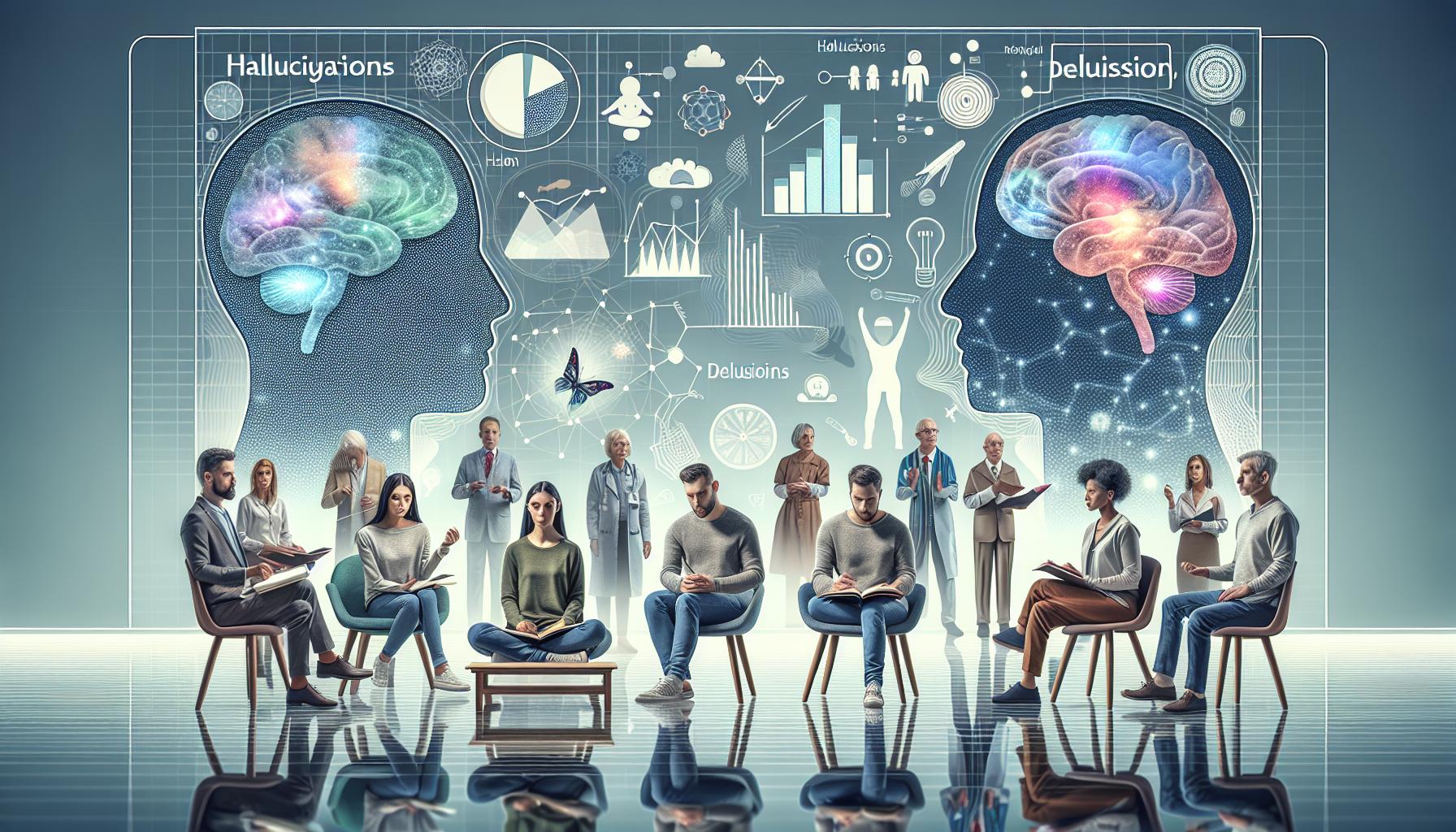
Key Differences Between Hallucinations and Delusions
Understanding the distinction between hallucinations and delusions is crucial when addressing mental health issues, as it allows for more effective treatment strategies and support mechanisms. Hallucinations are defined as false perceptions where an individual experiences sensory stimuli that are not present in reality, affecting any of the five senses: sight, sound, smell, taste, or touch. For instance, a person may see an object that does not exist or hear voices that aren’t there. On the other hand, delusions are fixed, false beliefs that remain unchanged despite contradictory evidence. This cognitive distortion leads individuals to interpret situations or individuals in drastically altered ways based on their beliefs, such as believing they are under surveillance or possess extraordinary powers.
To further clarify the differences, consider the following aspects:
Nature of Experience
- Hallucinations are sensory experiences. An individual might hear music when it is silent or feel like they are being touched when no one is present.
- Delusions are cognitive distortions. For example, someone might refuse to accept that a harmless stranger is not a threat, despite being reassured by others.
Evidence and Conviction
- Individuals experiencing hallucinations might be aware at some level that their experiences are unusual. For instance, they might have moments of doubt about whether they’re truly hearing voices.
- In contrast, delusional beliefs are held with strong conviction; individuals often dismiss any evidence that contradicts their beliefs. For example, someone with a persecutory delusion may have an unwavering belief that they are being plotted against, regardless of logical reasoning or reassurances from others.
Duration and Impact on Functioning
- Hallucinations can be transient, arising in specific contexts such as stress or substance use, and may not significantly impair daily functioning.
- Delusions, however, can lead to severe disruption in relationships, work, and overall quality of life, as they fundamentally alter one’s interpretation and interaction with reality.
In practical terms, recognizing these differences helps in identifying appropriate therapeutic interventions. Hallucinations may often require medication aimed at regulating neurotransmitter function, while delusions might be more effectively addressed through cognitive-behavioral therapy (CBT) to help patients reframe their thought patterns. Understanding these distinctions equips caregivers, families, and individuals with strategies to navigate mental health challenges more effectively, fostering an environment of support and understanding.
Causes and Triggers of Hallucinations
Hallucinations, though often misunderstood, have a range of causes that can manifest in different contexts, leading to varied experiences across individuals. One of the most common triggers is stress. Under significant psychological pressure, whether from personal issues, work-related stress, or traumatic events, individuals may begin to perceive stimuli that are not present. For example, someone enduring high levels of anxiety may hear phantom noises or feel the sensation of insects crawling on their skin. The body’s response to stress can inadvertently produce heightened states of sensory perception, resulting in hallucinations.
Another critical factor involves substance use. Various substances, including alcohol, drugs, and even prescription medications, can lead to hallucinations as side effects. Stimulants like cocaine or methamphetamine are particularly notorious for inducing vivid hallucinations, often characterized by visual or auditory effects that can terrify users. Alcohol withdrawal, it is also worth noting, can result in severe hallucinations, commonly referred to as “delirium tremens.” These experiences underline the complex relationship between substance intake and sensory perception.
Additionally, underlying mental health disorders like schizophrenia, bipolar disorder, or severe depression can lead to persistent hallucinations. In these scenarios, the hallucinations are often more than mere fleeting experiences; they reflect the neurological and biochemical disturbances associated with the conditions. For instance, studies suggest that up to 70% of people diagnosed with schizophrenia experience hallucinations, with auditory hallucinations being the most prevalent type. Their persistence and intensity vary, significantly affecting daily functioning.
Lastly, medical conditions can also serve as triggers. Neurological disorders such as Parkinson’s disease and dementia can lead to hallucinations, especially as the diseases progress. Furthermore, certain infections and fever episodes can cause temporary hallucinations, as the body’s overall balance is disrupted. In these cases, addressing the primary medical condition can lead to a reduction or resolution of hallucinations.
Recognizing the potential can empower individuals and their families to seek appropriate interventions and support. Understanding these factors is crucial for navigating the complexities of mental health and fostering a supportive environment that promotes well-being.
Causes and Triggers of Delusions
Delusions can manifest as strongly held beliefs that contradict reality, which can lead to profound misunderstandings and conflicts in everyday life. These beliefs are not typically influenced by contradictory evidence or logical reasoning, making it challenging for individuals experiencing delusions to recognize their irrationality. Understanding the underlying is critical for effective support and treatment.
One significant factor contributing to delusions is the presence of mental health disorders, particularly serious conditions such as schizophrenia, bipolar disorder, and severe depression. Research indicates that delusional thinking is prevalent among individuals with these disorders, often reflecting the core symptoms of their psychiatric conditions. For instance, studies show that approximately 40-60% of people with schizophrenia may experience some form of delusion, which can range from paranoia to grandiose beliefs. These delusions often emerge from neurobiological imbalances and can significantly impair an individual’s ability to function in daily life.
Additionally, stress and trauma can serve as powerful catalysts for delusional beliefs. In high-stress situations, individuals may create narratives that help them make sense of chaos or uncertainty. For example, someone experiencing significant life changes or trauma might develop delusions of reference, believing that everyday events or comments are specifically targeted at them. This can provide a misguided sense of control or understanding in an otherwise bewildering experience.
Substance use is another critical trigger for delusions. Various substances, such as alcohol, stimulants, and hallucinogenic drugs, can alter perception and cognition, leading to false beliefs. For instance, methamphetamine use is known to cause paranoia and delusions of persecution in users, creating a distorted view of reality that can have detrimental effects on their relationships and overall mental health. Moreover, withdrawal from substances can also evoke intense delusional thinking, as the mind grapples with the abrupt absence of stimuli previously relied upon.
Lastly, certain medical conditions can induce delusional thinking. Neurological disorders such as dementia and brain injuries can alter cognitive functions and lead to distorted beliefs. In these cases, addressing the underlying medical issues is vital for alleviating delusions. It highlights the importance of a comprehensive approach to treatment that considers both mental and physical health to effectively support individuals grappling with these challenging experiences.
In conclusion, recognizing the complex interplay between mental health disorders, stress, substance use, and medical conditions can empower caregivers, families, and affected individuals to seek informed interventions that promote recovery and understanding.
The Role of Mental Health Disorders
Mental health disorders play a pivotal role in the onset and manifestation of both hallucinations and delusions. These conditions can disrupt an individual’s perception of reality, significantly impacting their day-to-day functioning and overall wellbeing. For instance, individuals diagnosed with schizophrenia often experience a high prevalence of both symptoms: research indicates that roughly 40-60% of people with schizophrenia encounter delusions, which can include paranoid beliefs or exaggerated feelings of self-importance. This connection underscores the fact that hallucinations and delusions often arise from the same neurobiological and psychological disturbances that characterize severe mental illnesses, emphasizing the need for comprehensive treatment approaches tailored to the individual’s specific needs.
Stress and trauma are additional influential factors in the development of psychotic symptoms. In high-stress situations, the mind may struggle to cope, leading to distorted interpretations of reality. Take, for example, someone recovering from significant trauma. They might begin to perceive neutral stimuli-such as conversations or environmental sounds-as direct threats or personal attacks, leading to delusions of reference. This behavior, while a manifestation of psychological distress, speaks to the human instinct to seek patterns and meaning in chaotic contexts, albeit in a misguided way. The ability to identify stressors is vital for anyone who is aware of symptoms related to hallucinations or delusions, as it provides a pathway to seek appropriate support and interventions.
To effectively support individuals experiencing these symptoms, it is crucial to adopt a multifaceted approach that includes both psychological and pharmacological treatments. For example, cognitive-behavioral therapy (CBT) has proven beneficial in helping patients challenge and reframe delusional thoughts, allowing them to regain a more stable grasp of reality. Additionally, medication, such as antipsychotics, can help correct neurochemical imbalances that contribute to these experiences. Support from loved ones, education about the disorder, and structured environments also significantly enhance recovery outcomes.
Ultimately, awareness of the profound impact of mental health disorders on perception not only aids in recognizing symptoms but also fosters empathy and understanding within communities. By addressing these challenges openly and seeking informed interventions, families and caregivers can empower those struggling with hallucinations or delusions to pursue recovery and lead fulfilling lives.
Impact of Substance Use on Perception
The effects of substance use on perception can be profound and complex, leading to experiences that range from mild alterations in sensory perception to severe psychotic symptoms such as hallucinations and delusions. For instance, substances like alcohol, hallucinogens, and stimulants can dramatically change how the brain processes information, often resulting in distorted perceptions of reality. According to recent studies, approximately 50% of individuals with substance use disorders report experiencing significant alterations in perception, underscoring the critical need for awareness and understanding in both clinical and community settings.
Substances can act on various neurotransmitter systems in the brain, disrupting normal communication pathways. For example, hallucinogens like LSD and psilocybin primarily affect serotonin pathways, leading to vivid visual or auditory hallucinations. Meanwhile, stimulants such as cocaine increase dopamine levels, which may result in heightened sensory experiences but can also induce paranoia and delusions. These effects illustrate the dual nature of substance impact on perception: while some users seek altered states for euphoric experiences, the risk of developing substance-induced psychosis is a critical concern, particularly for those with underlying mental health vulnerabilities.
Common Substances and Their Effects
- Alcohol: While often a depressant, excessive consumption can lead to disinhibition and impaired judgment. In severe cases, withdrawal can provoke hallucinations known as delirium tremens.
- Hallucinogens: Substances like LSD or magic mushrooms can produce intense visual and auditory distortions, detaching individuals from reality. Users may experience profound insights but can also encounter frightening hallucinations.
- Stimulants: Drugs like cocaine and methamphetamine can increase energy and sociability; however, they may also induce paranoia and delusions as the brain becomes overstimulated.
Recognizing the signs of substance-induced hallucinations or delusions is key for early intervention. Observing changes in behavior, such as heightened anxiety, altered thought patterns, or withdrawal from social activities, can serve as red flags. It’s essential for individuals to seek help if they or someone they know is exhibiting these symptoms, particularly if substance use is involved. Treatment often requires a comprehensive approach that includes medical intervention, psychosocial support, and substance use counseling to address both the underlying issues and the acute symptoms present.
Supporting someone through this experience involves compassion and understanding. Encouraging open conversations about their substance use and its impact can foster a non-judgmental environment conducive to recovery. Ultimately, while substance use can significantly distort perception, awareness, education, and access to effective support can pave the way for healing and a return to a clearer understanding of reality.
Common Misconceptions About Hallucinations
Many people harbor misunderstandings about hallucinations, often viewing them as mere figments of a distressed mind. However, hallucinations are complex phenomena rooted in the brain’s interpretation of reality and can occur due to various medical, psychological, and environmental factors. One prevalent myth is that hallucinations only happen to individuals with severe mental illnesses. In reality, they can affect anyone under specific circumstances, including those experiencing extreme stress, sleep deprivation, or substance use.
Another misconception is that individuals who experience hallucinations are inherently violent or dangerous. This stereotype is not only harmful but also misleading. Most people with hallucinations are not a threat to themselves or others. In fact, many live with their experiences without causing harm. Awareness of this fact is crucial in reducing stigma and improving the support available to those affected.
Additionally, some believe that hallucinations are always visual or auditory. While these types are common, hallucinations can affect any sensory modality, including taste, smell, and touch. For instance, an individual might experience tactile hallucinations, feeling sensations such as bugs crawling on their skin, despite there being nothing present. Understanding the variety and complexity of hallucinations can help inform conversations and responses regarding mental health.
Lastly, there is a tendency to think that hallucinations signify a loss of touch with reality. While they reflect an altered perception, many individuals retain insight into their condition, distinguishing between their hallucinations and reality. In fostering a supportive environment, it’s essential to encourage open dialogue about these experiences rather than pushing them into the shadows of misunderstanding. Education is key to dissolving these misconceptions, allowing for a more compassionate and informed response to those who experience hallucinations.
Common Misconceptions About Delusions
Delusions often evoke powerful reactions, leading to a myriad of misconceptions that can further complicate the understanding of those who experience them. One prevalent myth is the notion that all delusions are bizarre or irrational. While many delusions may seem implausible, such as believing one is under constant surveillance by secret agencies, others can be relatively mundane or plausible, such as thinking a partner is unfaithful without evidence. Recognizing this spectrum of delusion is crucial as it highlights the complexities of human cognition and the substantial impact of contextual factors, such as cultural beliefs or personal experiences.
Another common misconception is that individuals with delusions are incapable of logical thought or reasoning. Contrary to popular belief, many people suffering from delusions can engage in coherent dialogue and rational thought processes outside of their delusional beliefs. In fact, these individuals may invest considerable mental energy attempting to justify or rationalize their delusions internally. This distinction is important, as it underscores that delusions are not merely thoughts or beliefs; they are entrenched ways of perceiving reality that can be resistant to change, making it challenging for those affected to see their beliefs as distorted.
Additionally, the stereotype that delusions always point to severe psychological disorders, such as schizophrenia, can be misleading. While it is true that delusions are common in such conditions, they can also manifest in mood disorders, substance abuse, and even in otherwise healthy individuals under significant stress or after traumatic events. Understanding this allows for a more nuanced approach to recognizing and addressing delusions in various contexts, helping to reduce stigma and promote empathy towards those experiencing them.
Finally, a crucial misconception is the idea that intervention is futile. While challenging, addressing and treating delusions is possible through a combination of therapeutic approaches, including cognitive-behavioral therapy (CBT), medication, and supportive counseling. Emphasizing open communication and creating a safe space for dialogue can empower individuals to explore their beliefs critically, fostering a path towards improvement and increased insight. It is essential to approach this delicate topic with sensitivity and care, acknowledging the complexities of mental health while also equipping affected individuals and their loved ones with accurate information and supportive strategies.
How to Recognize Hallucinations in Daily Life
Many individuals may experience sensory distortions at some point in their lives, but recognizing when these escalate to hallucinations is crucial for effective intervention. Hallucinations involve perceiving sensations that do not exist, be it hearing voices that aren’t there or seeing things that no one else can see. Understanding how to identify these experiences can be instrumental for individuals and their families in seeking appropriate support and treatment.
To recognize hallucinations in daily life, it can be helpful to pay close attention to changes in perception and behavior. Common signs of hallucinations may include:
- Audiovisual Disturbances: Individuals may report hearing voices, sounds, or music, or seeing images, shapes, or colors that aren’t present.
- Reactions to Nonexistent Events: Observing someone who responds to things that others cannot see or hear can be a significant red flag. This may include talking to people who are not there or reacting to imagined events.
- Disruption in Daily Functioning: Changes in mood, emotion, or behavior that disrupt daily routines or social interactions may indicate hallucinations, especially if they appear correlated with sensory experiences.
- Physical Reactions: Hallucinations can provoke behavioral changes such as agitation, withdrawal, or confusion. Noticeable distress stemming from imagined sensations is often a crucial indicator.
For families and caregivers, cataloging these occurrences can facilitate a better understanding of the frequency and context in which hallucinations occur. This record can be valuable when discussing symptoms with healthcare professionals. Additionally, being aware of triggers-such as stress, fatigue, or substance use-can help identify patterns in hallucinations, aiding in prevention strategies.
It’s important to approach these observations with sensitivity and understanding. Addressing hallucinations requires compassion, as individuals experiencing them may feel frightened or isolated. Encouraging open communication about their feelings and perceptions can foster a supportive environment. If hallucinations are suspected, professional evaluation is essential, as timely intervention can lead to more effective treatment and an overall improvement in quality of life.
How to Identify Delusions in Yourself or Others
Recognizing delusions in yourself or others can be a complex process, as these false beliefs often feel completely real to the individual experiencing them. Delusions are characterized by strong convictions that deviate from reality, regardless of contrary evidence. For example, someone might believe they have a special relationship with a celebrity or possess extraordinary abilities despite overwhelming evidence to the contrary. Identifying such beliefs requires careful observation and understanding of context.
To effectively identify delusions, it’s helpful to consider a few key indicators:
- Consistency and Conviction: Individuals may repeatedly assert their beliefs with unwavering conviction, even when presented with logical arguments or factual information that contradicts their views.
- Isolation of Thoughts: People exhibiting delusions often hold beliefs that are not shared by others, leading to social isolation. Instead of engaging in healthy discussions, they may assert their views in ways that exclude or alienate others.
- Resistance to Change: One of the most defining features of delusions is the individual’s refusal to reconsider their beliefs, no matter how persuasive the evidence may be. This rigidity can make discussions about these beliefs particularly challenging.
- Behavioral Signs: Changes in behavior that align with delusional thinking, such as withdrawing from social contacts or responding defensively to perceived threats, can also be indicative of deeper issues.
For those concerned about a friend or family member’s mental state, fostering open and non-judgmental dialogue can be vital. Approaching the topic with empathy rather than confrontation reduces the likelihood of defensiveness. Phrasing observations in a way that emphasizes care and concern may encourage the individual to share their thoughts without feeling attacked.
In cases where delusions are suspected, it is crucial to recommend professional help. A mental health professional can provide a more thorough assessment and guide both the individual experiencing delusions and their loved ones toward appropriate support and treatment. It’s essential to approach the situation with compassion, understanding that the affected person may feel distress from their experiences and beliefs. Timely intervention can dramatically alter outcomes and lead to improved quality of life for everyone involved.
Treatment Options for Hallucinations and Delusions
Treatment for both hallucinations and delusions encompasses a variety of approaches tailored to the individual’s specific needs and underlying causes. These symptoms can profoundly affect a person’s quality of life, so it is crucial to address them adequately and early on. Effective treatment often combines medication, therapy, and support systems to improve the overall well-being of the affected individuals.
Medication Options
Pharmaceutical treatments are commonly prescribed to help manage hallucinations and delusions. Antipsychotic medications, such as risperidone or olanzapine, are frequently used for conditions like schizophrenia, which may present with these symptoms. In cases of Parkinson’s disease-associated psychosis, certain antipsychotics that are safer for older adults may be considered, along with adjustments in dopaminergic medications to alleviate the psychotic symptoms [[2](https://www.parkinson.org/understanding-parkinsons/non-movement-symptoms/hallucinations-delusions)]. It’s essential to work closely with a healthcare provider to find the most effective medication, as responses can vary widely among individuals.
Psychotherapeutic Approaches
Cognitive Behavioral Therapy (CBT) is an evidence-based therapeutic option that can aid individuals in recognizing distorted thinking and developing coping strategies. Through CBT, patients learn to challenge and modify their beliefs, improving their ability to differentiate between reality and their hallucinations or delusions[[[1](https://www.healthline.com/health/mental-health/hallucinations-vs-delusions)]. Group therapy can also be beneficial, providing a sense of community and shared experience, which can be particularly comforting for those feeling isolated by their experiences.
Support Systems and Lifestyle Changes
Support from family and friends plays a crucial role in the recovery process. Encouraging open communication and fostering a supportive environment can alleviate some of the stress associated with these symptoms. Additionally, lifestyle changes such as regular exercise, a balanced diet, and sufficient sleep can contribute to overall mental health improvement. Mindfulness practices, like meditation or yoga, have also shown potential in reducing symptoms and enhancing emotional regulation.
For effective management, it’s vital to adopt a comprehensive approach that considers the interplay between medication, therapy, and supportive networks. Involving mental health professionals is crucial for tailoring treatment plans and monitoring progress, allowing for adjustments as necessary. As with any mental health condition, early intervention and consistent care can significantly impact outcomes and enhance the quality of life for those affected.
Coping Strategies for Affected Individuals and Families
Coping with the stress and confusion that can arise from experiences of hallucinations and delusions involves not only individual strategies but also collective support from family and friends. Understanding the nature of these symptoms is crucial for developing effective coping mechanisms. Hallucinations can range from visual or auditory perceptions that do not exist, while delusions may involve firmly held but false beliefs. The emotional toll of these conditions can be significant, so fostering resilience through informed coping strategies is essential.
One effective coping strategy for those experiencing these symptoms is to establish a consistent routine. Regular sleep, balanced meals, and scheduled activities can create a sense of stability amidst the unpredictability of hallucinations and delusions. Additionally, keeping a journal to track thoughts and feelings can help individuals recognize patterns and triggers associated with their symptoms. This documentation can empower them to communicate more effectively with mental health professionals about their experiences.
Support systems play a pivotal role in coping with these challenges. Family members and friends can participate in educational resources together, gaining a deeper understanding of the nuances of hallucinations and delusions. Open and non-judgmental discussions about symptoms can foster a compassionate environment, where affected individuals feel safe sharing their experiences. Family therapy or support groups specifically designed for those living with psychosis can also provide a platform for shared experiences, reducing isolation and enhancing understanding.
Mindfulness techniques, such as meditation and deep-breathing exercises, can be particularly helpful in managing anxiety and reactivity associated with hallucinations and delusions. Building a toolkit of relaxation techniques enables individuals to find moments of peace when distressing experiences arise. Practicing self-care, such as engaging in hobbies and social activities when well, can also contribute to overall emotional health and provide distraction from symptoms during more challenging periods. As families work together to implement these strategies, they can create a supportive environment that enhances recovery and fosters hope for individuals affected by hallucinations and delusions.
Q&A
Q: What are the main types of hallucinations?
A: The main types of hallucinations include auditory (hearing voices), visual (seeing things), tactile (feeling sensations), olfactory (smelling odors), and gustatory (tasting substances). Each type can reflect various mental health issues or neurological conditions. Understanding these categories can aid in proper diagnosis and treatment.
Q: Can hallucinations occur without delusions?
A: Yes, hallucinations can occur without delusions, especially in conditions like schizophrenia or severe anxiety. These experiences may not be tied to false beliefs or convictions, distinguishing them from delusions. Assessing both symptoms can provide a clearer picture of an individual’s mental health.
Q: Why do people experience delusions?
A: People experience delusions due to a range of factors including mental health disorders like schizophrenia, severe depression, trauma, or substance abuse. Understanding the triggers is essential for effective treatment and management, highlighting the importance of professional support.
Q: How can you tell if someone is hallucinating?
A: You can identify hallucinations by observing unusual behaviors or hearing them talk to themselves or others not present. Look for signs of confusion or distress. For accurate assessment and support, encourage them to seek professional help or contact mental health services.
Q: What mental health disorders are associated with hallucinations and delusions?
A: Mental health disorders commonly associated with hallucinations and delusions include schizophrenia, bipolar disorder, and severe depression. These conditions can lead to significant disruptions in perception and reality, necessitating thorough evaluation by a mental health professional.
Q: How do hallucinations affect daily life?
A: Hallucinations can significantly impact daily life by disrupting an individual’s ability to function normally, affecting their social interactions, work, and self-care. Coping strategies and effective treatment plans are essential for managing these effects and improving quality of life.
Q: Can medications help with hallucinations and delusions?
A: Yes, medications such as antipsychotics can effectively reduce the frequency and severity of hallucinations and delusions. However, a comprehensive treatment plan should also include therapy and support for the individual and their family to address underlying issues.
Q: What should you do if someone you know is experiencing hallucinations or delusions?
A: If someone you know is experiencing hallucinations or delusions, encourage them to seek professional help immediately. Offering support and understanding while guiding them toward mental health services can facilitate their recovery and improve their overall well-being.
In Retrospect
Understanding the difference between hallucinations and delusions is crucial for better mental health awareness. Both can significantly impact one’s perception of reality, but recognizing their distinct characteristics can empower you or someone you know to seek appropriate help. If you have any lingering questions or need further insight, don’t hesitate to explore our related articles on mental health or the impact of perception on behavior.
Ready to dive deeper? Subscribe to our newsletter for expert insights and the latest research delivered straight to your inbox. You might also find our interactive assessment tools beneficial in navigating these complex mental phenomena. Join the conversation by sharing your thoughts or experiences in the comments-your insights matter and can help others in similar situations. Together, let’s foster a supportive community and break the stigma surrounding mental health.


